
Clean Room Access Control Explained
Understand why clean room operations rely on roll-up doors to balance access control, workflow, and regulatory requirements.
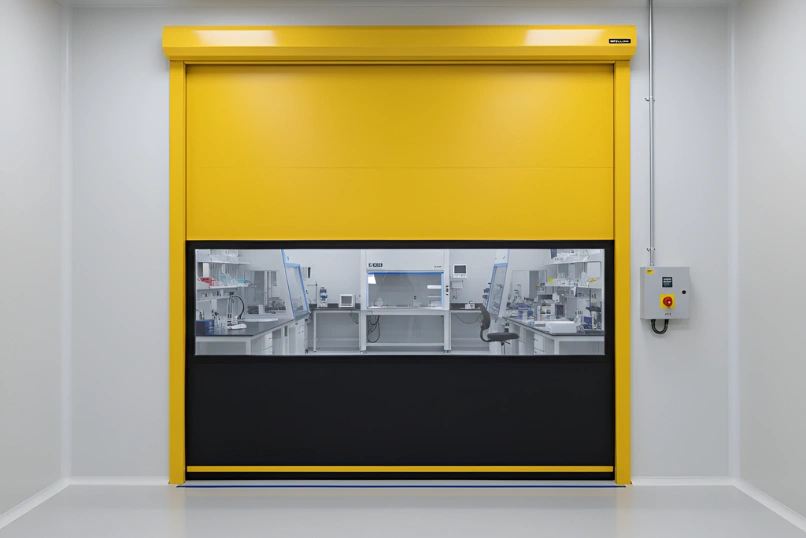
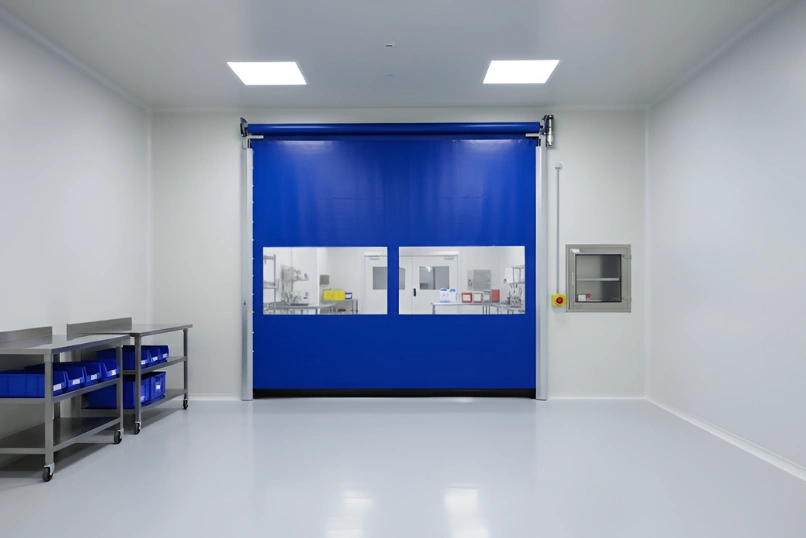
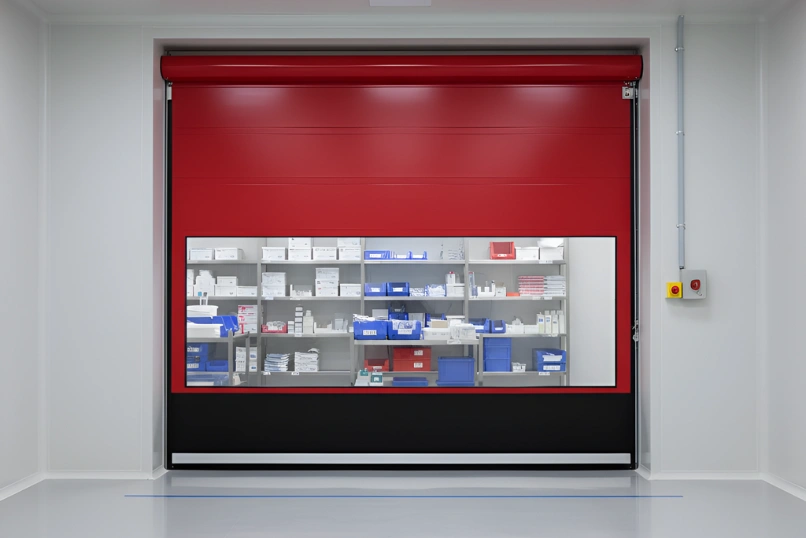
This article explains why access control is essential in regulated clean room operations, where access points create risk and consistency matters. It outlines where roll up doors are commonly used, how they support daily workflow, compares them to other door options, and answers common questions to help facilities make informed decisions.
Best Roll-Up Door Solution for Regulated Clean Room Operations
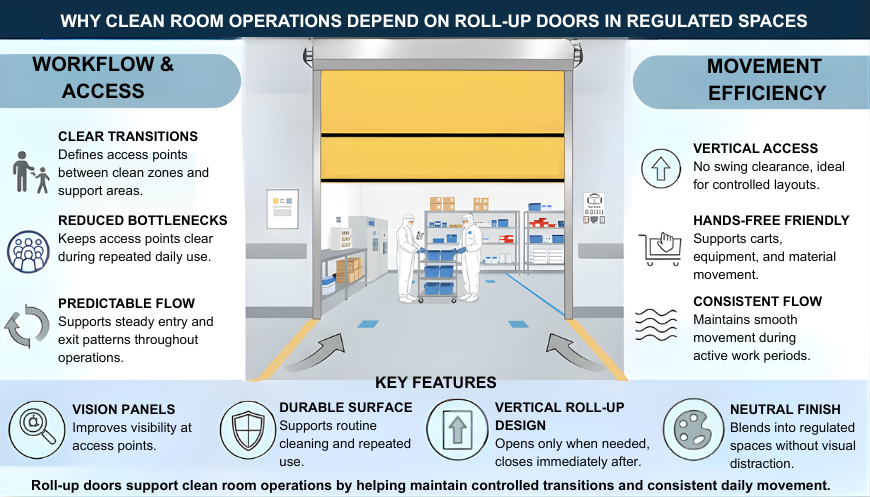
Clean room operations depend on consistent access control to maintain regulated conditions. This infographic highlights why roll-up doors play an important role in supporting contamination control, airflow separation, and efficient daily movement. By reducing exposure time at access points and supporting smooth workflow, roll-up doors help regulated spaces stay controlled without disrupting operations. Understanding how access solutions impact clean rooms can help facilities make more informed decisions.
Why Access Control Is Critical in Clean Room Operations
Clean room environments are regulated to maintain stable, repeatable conditions that support sensitive work. Access control plays a central role because every entry point has the potential to affect cleanliness, airflow, and compliance.
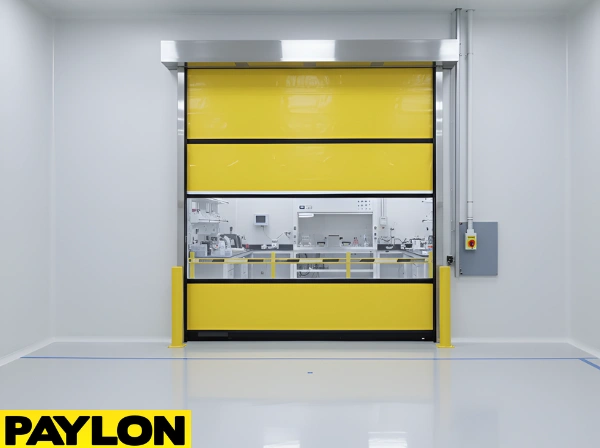
• Strict separation is required to maintain consistency. Clean rooms rely on controlled boundaries to prevent unwanted particles, pressure changes, and environmental variation. Without separation, it becomes difficult to maintain the conditions required for regulated operations.
• Uncontrolled access can disrupt airflow and hygiene. Frequent or poorly managed entry allows contaminants to move between spaces and can alter airflow patterns. Over time, this increases the risk of hygiene issues and compliance concerns.
• Access points are used more often than most other areas. People, carts, and materials pass through these openings repeatedly throughout the day. This constant activity makes access points one of the most vulnerable areas in regulated spaces.
Because of these risks, access control is not just a procedural concern but an operational priority. Understanding why access points matter helps explain why clean room operations place so much emphasis on maintaining control at every transition.
Where Roll-Up Doors Are Used in Clean Room Environments
Once access points are recognized as critical areas, it helps to understand where controlled openings are typically located within clean room facilities. Roll-up doors are most often placed at specific locations where separation between spaces must be clearly defined.
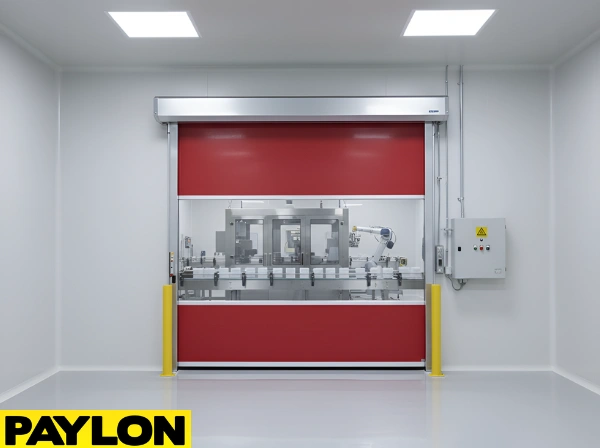
• Transition points between clean zones. These locations connect areas with different cleanliness classifications. Roll-up doors are commonly installed at these boundaries to mark and manage movement between zones.
• Material and equipment transfer areas. Clean rooms often include designated openings for moving tools, components, or supplies. Roll-up doors are used at these points to define transfer paths without permanently closing off access.
• Adjacent or support spaces tied to regulated rooms. Preparation rooms, storage areas, or staging spaces frequently sit next to clean rooms. Roll-up doors are placed at these connections to separate regulated areas from supporting spaces.
• Situations where flexible separation is needed. Some clean room layouts require openings that can be opened or closed based on changing processes. Roll-up doors are used in these areas where separation needs may vary throughout the day.
Understanding where roll-up doors are typically installed helps facilities visualize how access points are organized within clean room environments. This naturally leads into how these openings are used during daily operations.
How Roll-Up Doors Support Daily Clean Room Workflow
During daily operations, clean rooms experience constant movement. Staff, carts, and materials pass through access points repeatedly, making door behavior an important part of maintaining steady operations.
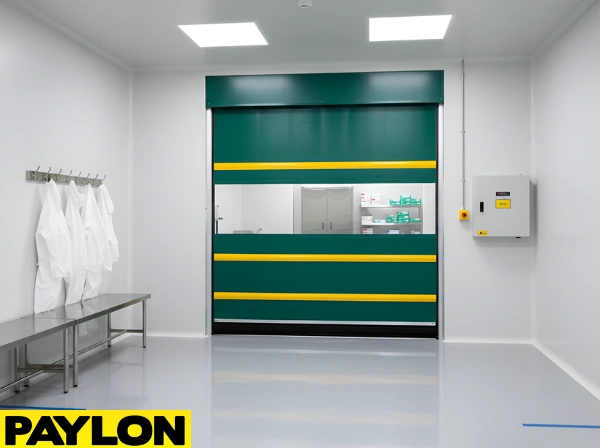
• Fast opening and closing during frequent movement. Roll-up doors open and close quickly as people and materials pass through. This allows movement to continue without creating delays at access points.
• Maintaining separation during staff and material flow. As activity continues throughout the day, roll-up doors open only when needed and close immediately after. This helps keep spaces separated during ongoing movement.
• Reducing exposure time at access points. Because roll-up doors do not remain open for long periods, the time an opening is exposed is limited. This supports more consistent conditions during busy operating hours.
• Supporting consistent operations without disrupting conditions. Roll-up doors allow access points to function smoothly as part of routine work. This helps clean room operations stay steady even as activity levels change throughout the day.
Together, these behaviors show how roll-up doors fit into daily clean room routines. Understanding how they function during active use helps explain their role in maintaining consistency across regulated operations.
Roll-Up Doors vs Other Door Options in Regulated Spaces
After knowing how roll-up doors function during daily clean room activity, it helps to compare them with other common door options. This table highlights key differences that facility teams often consider when evaluating access solutions in regulated environments.
| Door Option | Access Speed | Space Efficiency | Separation Control | Suitability for Regulated Environments | Impact on Workflow |
|---|---|---|---|---|---|
| Roll-Up Doors | Opens and closes quickly during frequent use | Requires minimal floor and swing space | Clearly defines openings between spaces | Commonly used in regulated facilities | Supports steady movement without bottlenecks |
| Swinging or Hinged Doors | Slower during repeated entry and exit | Requires swing clearance | Separation depends on how doors are used | Can be limiting in regulated layouts | May interrupt movement during busy periods |
| Sliding Doors or Rigid Barriers | Moderate, depends on track or panel size | Requires wall or track space | Fixed separation once installed | Less flexible for changing needs | Can slow transitions during active use |
This comparison helps clarify how different door options align with the needs of regulated clean room environments. While each option has a place, understanding these trade-offs makes it easier to evaluate which approach best fits specific operational requirements. The next section addresses common questions facilities often have when considering roll-up doors for clean room use.
Frequently Asked Questions
FAQs About Roll-Up Doors in Clean Room Operations
Are roll-up doors suitable for regulated clean room environments?
Yes. Roll-up doors are commonly used in regulated clean room environments to manage access between clean zones and support consistent separation during daily operations.
Can roll-up doors be used in clean rooms with strict cleanliness requirements?
They can. Roll-up doors are often selected for clean rooms where maintaining separation between controlled areas is part of meeting cleanliness standards.
Do roll-up doors help support contamination control in clean rooms?
They can help by limiting how long access points remain open during entry and exit, which supports cleaner transitions between spaces.
How do roll-up doors affect airflow in clean room operations?
Roll-up doors open and close vertically, which can help reduce prolonged airflow disruption at access points used throughout the day.
Are roll-up vinyl doors easy to clean in clean room settings?
Yes. Roll-up vinyl doors typically have smooth surfaces that are easier to wipe down as part of routine cleaning procedures.
Do roll-up doors require special maintenance in clean rooms?
Maintenance is usually focused on keeping the door clean and ensuring it operates properly, similar to other access components in clean room environments.
Can roll-up doors be used between different clean room classifications?
They are often used between areas with different cleanliness levels to clearly define transitions and manage movement between zones.
Are roll-up doors suitable for frequent daily use in clean rooms?
Yes. Roll-up doors are commonly installed in clean rooms where access points are used repeatedly by staff and equipment.
Do roll-up doors take up valuable floor space in clean rooms?
No. Roll-up doors operate vertically, which helps preserve floor space and avoids the need for swing clearance.
Can roll-up doors be used in material and equipment transfer areas?
Yes. Roll-up doors are frequently used at transfer points where tools, components, or supplies move in and out of regulated spaces.
Are roll-up doors appropriate for support areas connected to clean rooms?
They are often placed between clean rooms and adjacent support areas such as storage, preparation, or staging spaces.
How do roll-up doors compare to swinging doors in clean room layouts?
Roll-up doors differ by opening vertically, which avoids swing paths that can interfere with movement in tight or controlled areas.
Can roll-up doors be used in compact clean room environments?
Yes. Their vertical operation makes them well suited for compact layouts where space efficiency is important.
Do roll-up doors work well in clean rooms with carts and equipment movement?
They are commonly used in clean rooms where carts, materials, and equipment pass through access points throughout the day.
Are roll-up doors considered a flexible access solution for clean rooms?
Yes. Roll-up doors allow openings to be used only when needed, which supports flexible access without permanent barriers.
Can roll-up doors be added to existing clean room facilities?
They can often be integrated into existing clean room layouts where access points already exist or need improvement.
Do roll-up doors support consistent daily clean room operations?
They are used in clean room operations that rely on predictable access behavior during routine work activities.
Are roll-up doors suitable for both personnel and material movement?
Yes. Roll-up doors are commonly used for both staff access and material movement between controlled areas.
Do roll-up doors help simplify access planning in clean room environments?
They can help by clearly defining access points without requiring major changes to room structure or layout.
When do roll-up doors make the most sense in clean room operations?
Roll-up doors are most useful in clean room operations that require frequent access between controlled areas while maintaining separation and efficient use of space.

Maintaining Control in Regulated Clean Rooms
Maintaining regulated clean room environments depends on consistent access control at every transition point. Door selection plays a direct role in how well these spaces remain controlled during daily operations. Roll-up doors are commonly used to balance separation needs with ongoing movement, helping clean room operations stay steady and predictable. For facilities reviewing access solutions, understanding how different door options support regulated spaces is an important step toward informed planning.
Controlled Access Zones
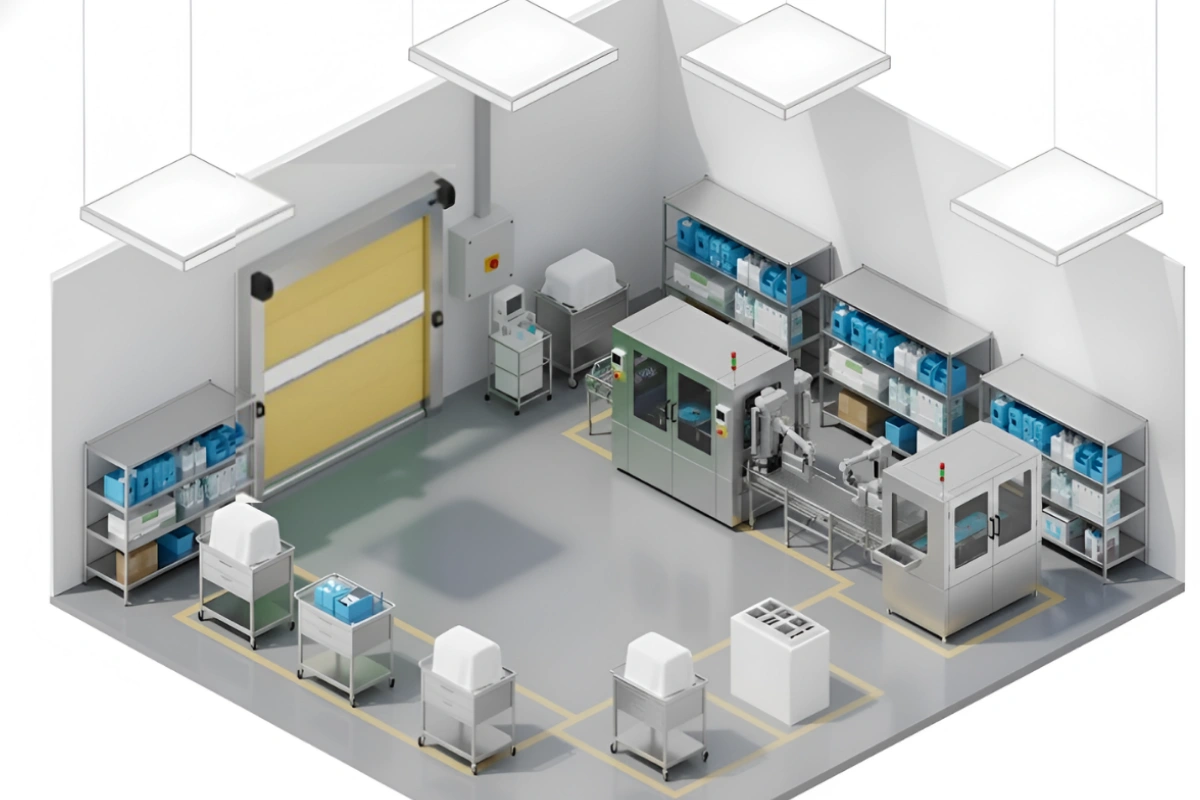
Photo Gallery