
Designed for Constant Movement
See how roll-up vinyl doors support fast-moving warehouse and distribution environments where keeping operations flowing matters every day.
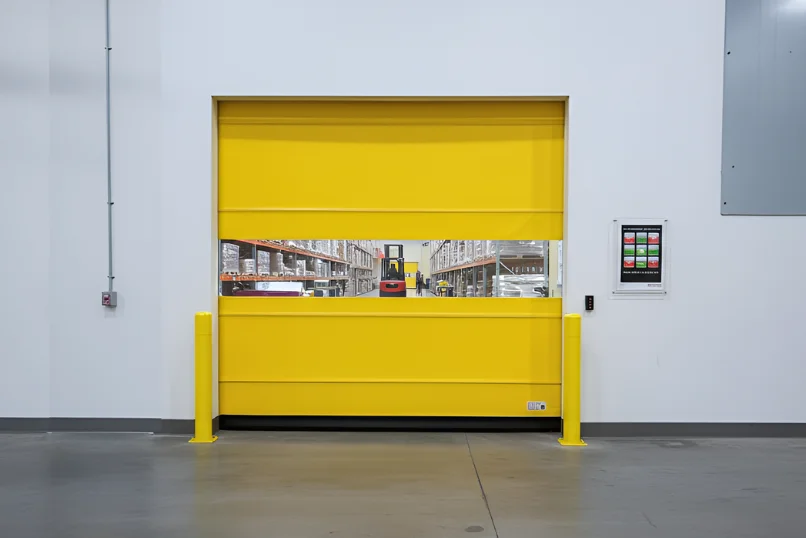
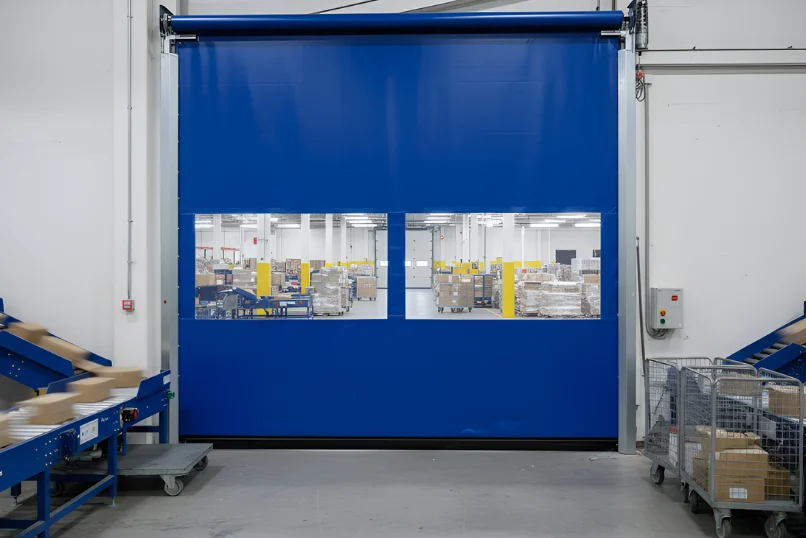
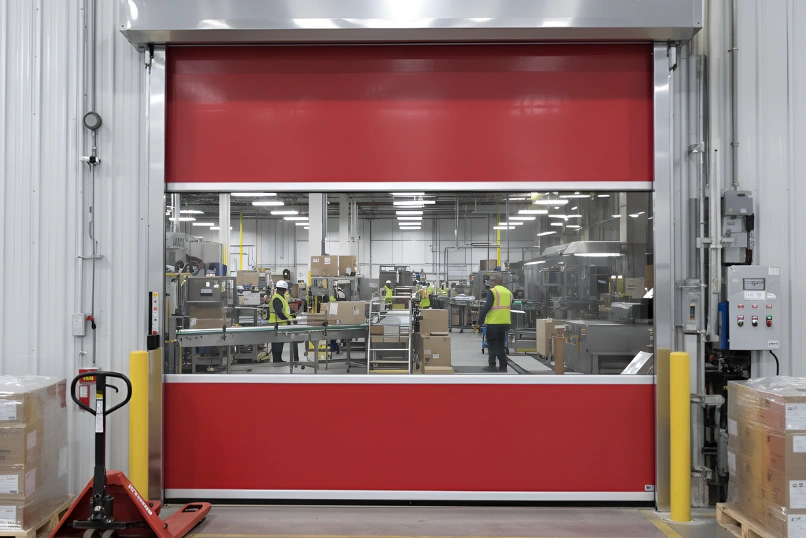
Warehouses and distribution centers both depend on smooth movement, but distribution centers operate at a faster, more demanding pace. This article explores what roll-up vinyl doors are, where they are used, how they support daily workflows, and how they compare to traditional doors, with a distribution-center-led focus and practical overlap for warehouse environments.
Best Roll-Up Vinyl Door for Fast-Paced Distribution Centers
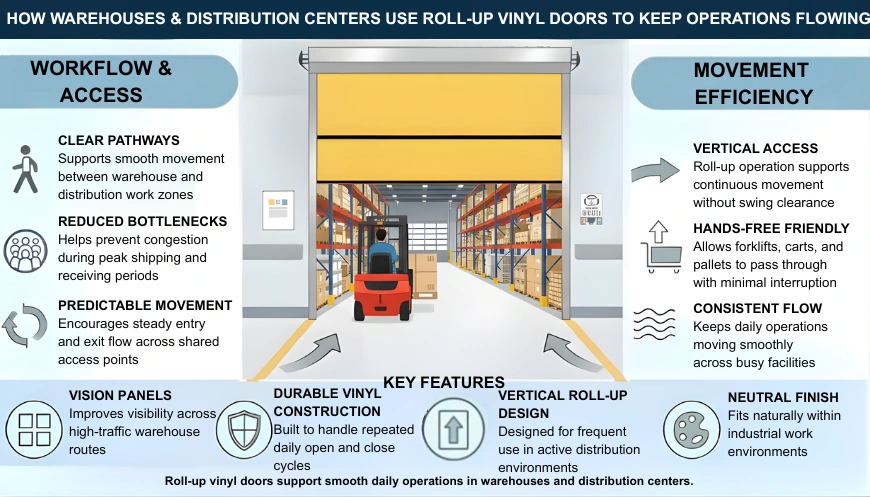
Roll-up vinyl doors play an important role in keeping warehouses and distribution centers running smoothly. By supporting steady movement between work areas, these doors help reduce delays, limit congestion, and maintain better flow throughout busy facilities. When placed in the right locations, roll-up vinyl doors allow teams to move goods, equipment, and people more efficiently, making daily operations easier to manage in high-traffic environments.
What Roll-Up Vinyl Doors Are and Why Distribution Centers Depend on Them
Roll-up vinyl doors are designed for openings that are used repeatedly throughout the day. Instead of swinging outward or sliding across an opening, the vinyl curtain rolls upward, keeping pathways clear and allowing access without interfering with nearby activity. This makes them a practical fit for facilities built around constant movement.
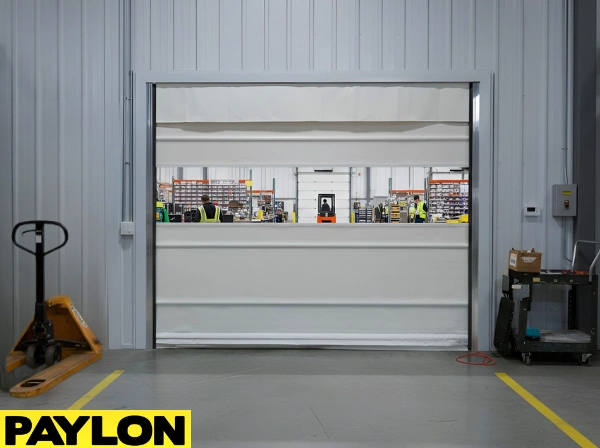
• Roll upward instead of swinging or sliding, which helps keep aisles and travel paths open. This allows equipment and employees to move through access points without door panels blocking nearby activity.
• Support repeated entry and exit, allowing teams to move between areas without interruption. This is important in distribution centers where the same openings are used continuously throughout each shift.
• Separate work zones without creating barriers, so spaces remain defined while movement continues. Facilities can maintain organization without slowing down daily operations.
• Adapt to high-use routes, fitting naturally into areas shared by people and equipment. These doors work well in locations where forklifts, carts, and foot traffic all pass through the same opening.
Distribution centers rely on roll-up vinyl doors because access points are crossed again and again as goods are sorted, staged, and transferred. Doors in these environments must support frequent movement without becoming an obstacle. Roll-up vinyl doors offer that flexibility and align well with fast-paced operations, while still remaining practical for warehouse settings with similar movement patterns.
Where Roll-Up Vinyl Doors Are Used in Distribution Centers and Warehouses
In distribution centers, roll-up vinyl doors are placed in areas where access points are crossed repeatedly throughout the day. These locations are designed for constant activity and require openings that allow controlled movement between zones.
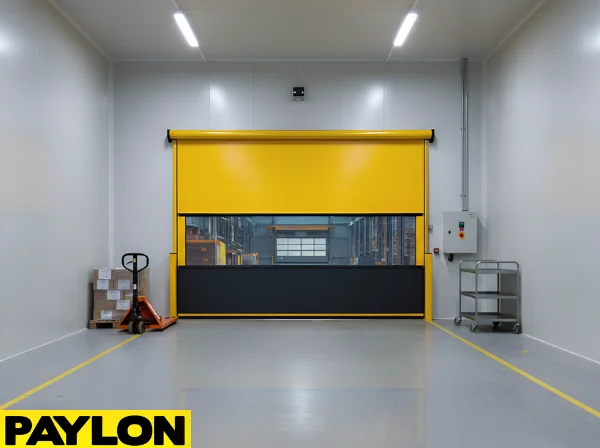
• High-volume transfer corridors. These corridors connect major operational areas within distribution centers. Access points here are used continuously as goods and equipment move between zones.
• Sorting and cross-dock areas. These spaces manage inbound and outbound items at the same time. Doors in these locations support ongoing transitions as products are routed to different destinations.
• Loading and outbound staging zones. These zones sit between interior operations and outbound movement. Access points are used frequently as materials are prepared for shipping and transport.
• Shared interior warehouse aisles and work areas. These areas connect storage, staging, and support functions within warehouses. Movement through these openings occurs regularly as teams and equipment shift between tasks.
These locations share a common need for openings that can handle frequent use while keeping movement organized across busy routes. Understanding where roll-up vinyl doors are placed helps set the stage for how they support daily operations, which we will explore next from a distribution center workflow perspective.
How Roll-Up Vinyl Doors Support Fast-Paced Distribution Workflows
In distribution centers, workflow depends on how smoothly work moves between sorting, staging, and outbound areas. Once roll-up vinyl doors are in place along high-use pathways, their role becomes clear in daily operations.
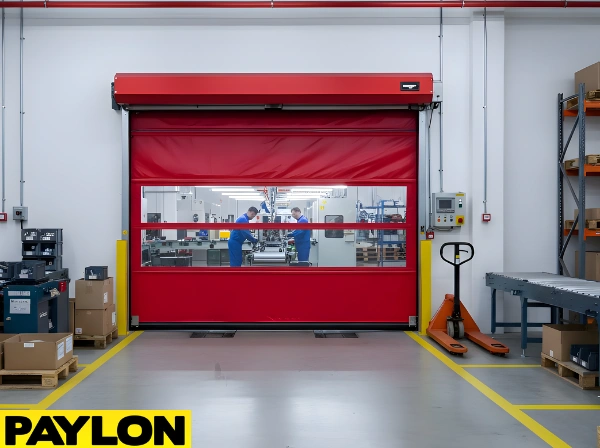
• Supporting constant movement between key zones. Roll-up vinyl doors allow teams to move between sorting, staging, and outbound areas without breaking their rhythm. This helps workflows remain consistent as activity levels change throughout the day.
• Reducing pauses during peak shipping and receiving windows. During busy periods, even brief delays can disrupt timing. Doors that support frequent crossings help teams maintain pace when volumes are at their highest.
• Helping teams maintain flow across large facility footprints. Distribution centers often span wide areas with multiple active zones. Doors that fit naturally into travel paths help teams move goods and equipment without losing momentum.
• Minimizing slowdowns caused by traditional door limitations. Traditional doors can interrupt movement or require extra handling in fast-paced settings. Roll-up vinyl doors better align with continuous workflows where stopping and restarting is not practical.
Together, these workflow moments show how door performance influences daily distribution operations. When access points support steady movement rather than interrupt it, teams can stay focused on timing, volume, and coordination. This leads naturally into a comparison of roll-up vinyl doors and traditional door options, which we will explore next.
Roll-Up Vinyl Doors vs Traditional Doors in Distribution Environments
After knowing how door performance affects daily distribution workflows, it helps to compare door options side by side. Distribution centers place different demands on access points than standard warehouse settings, especially in areas with repeated use and long travel paths. The table below highlights how roll-up vinyl doors compare to traditional door types in key operational areas.
| Comparison Area | Roll-Up Vinyl Doors | Traditional Doors |
|---|---|---|
| Speed during repeated open and close cycles | Designed for frequent cycling throughout the day | Not intended for constant repeated use |
| Ability to support high-volume movement | Suited for continuous crossings in active areas | Better for limited or occasional access |
| Space impact in long corridors | Rolls upward and stays out of the travel path | Swing or track clearance affects corridor space |
| Visibility in high-traffic routes | Often includes clear panels for visibility | Visibility varies by door style |
| Suitability for continuous daily use | Built for ongoing activity across shifts | Typically used in lower-demand openings |
This comparison helps clarify why distribution centers often require door solutions designed around constant use rather than occasional access. With operational needs clearly defined, decision-makers can better evaluate which door type aligns with how their facility functions day to day.
Frequently Asked Questions
FAQs: Roll-Up Vinyl Doors for Distribution Centers and Warehouses
Are roll-up vinyl doors suitable for high-traffic distribution centers?
Yes. Roll-up vinyl doors are designed for openings that see frequent daily use in high-traffic distribution centers.
Why are roll-up vinyl doors commonly used in distribution centers?
Roll-up vinyl doors are commonly used because distribution centers rely on repeated access between work zones throughout each shift.
How do roll-up vinyl doors support fast-moving distribution operations?
Roll-up vinyl doors allow consistent access between sorting, staging, and outbound areas without disrupting daily activity.
Can roll-up vinyl doors handle constant forklift and pallet traffic?
Yes. Roll-up vinyl doors are designed for openings where forklifts and pallet movement pass through repeatedly.
Are roll-up vinyl doors a good fit for both warehouses and distribution centers?
Yes. Roll-up vinyl doors are used in both environments, especially where access points are crossed often.
Where are roll-up vinyl doors typically installed in distribution centers?
Roll-up vinyl doors are often installed in transfer corridors, sorting areas, staging zones, and interior access points.
Do roll-up vinyl doors work well in long interior corridors?
Yes. Roll-up vinyl doors roll upward, which helps keep long corridors clear and organized.
Are roll-up vinyl doors suitable for areas with constant employee traffic?
Yes. Roll-up vinyl doors are designed for shared pathways used by employees throughout the day.
Do roll-up vinyl doors allow visibility in busy work areas?
Many roll-up vinyl doors include clear panels that help maintain awareness in high-traffic routes.
Can roll-up vinyl doors be used between sorting and outbound zones?
Yes. Roll-up vinyl doors are commonly placed between sorting, staging, and outbound areas.
Do roll-up vinyl doors support temperature-controlled zones?
Yes. Roll-up vinyl doors are often used to separate temperature zones while still allowing frequent access.
Are roll-up vinyl doors suitable for outbound staging areas?
Yes. Roll-up vinyl doors are frequently used in staging areas where access points are crossed throughout the day.
How do roll-up vinyl doors compare to swinging doors in distribution centers?
Roll-up vinyl doors are often preferred in areas where frequent access and clear travel paths are important.
Are roll-up vinyl doors designed for continuous daily use?
Yes. Roll-up vinyl doors are built for repeated daily use across multiple shifts.
Can roll-up vinyl doors support both people and equipment movement?
Yes. Roll-up vinyl doors are commonly used where foot traffic and equipment share the same opening.
Are roll-up vinyl doors practical for modern distribution center layouts?
Yes. Roll-up vinyl doors align well with layouts designed around repeated movement and access.
Do roll-up vinyl doors require extra space to operate?
No. Roll-up vinyl doors roll upward and stay out of the travel path.
Are roll-up vinyl doors difficult to operate in busy environments?
No. Roll-up vinyl doors are designed to fit naturally into fast-paced daily operations.
Do roll-up vinyl doors help organize movement within facilities?
Yes. Roll-up vinyl doors are used to define zones while still allowing regular access.
How do facilities decide where to install roll-up vinyl doors?
Placement is usually based on how often an opening is used and how movement flows through the facility.
Supporting Steady Movement Across Busy Facilities
In modern distribution and warehouse environments, consistent access plays a larger role in daily operations than many facilities realize. When people, equipment, and goods move through shared spaces throughout the day, even small access challenges can affect timing and coordination. Roll-up vinyl doors offer a practical way to support this movement without adding complexity, fitting naturally into existing layouts and workflows. Reviewing where access points are used most often can reveal simple opportunities to improve consistency and keep operations moving smoothly.
High-Traffic Work Areas
Photo Gallery