
Understanding the Roll Up Bug Door
Maintain safe airflow, prevent insect intrusion, and support sanitation standards with a high-performance roll-up screen door designed for continuous food facility use.
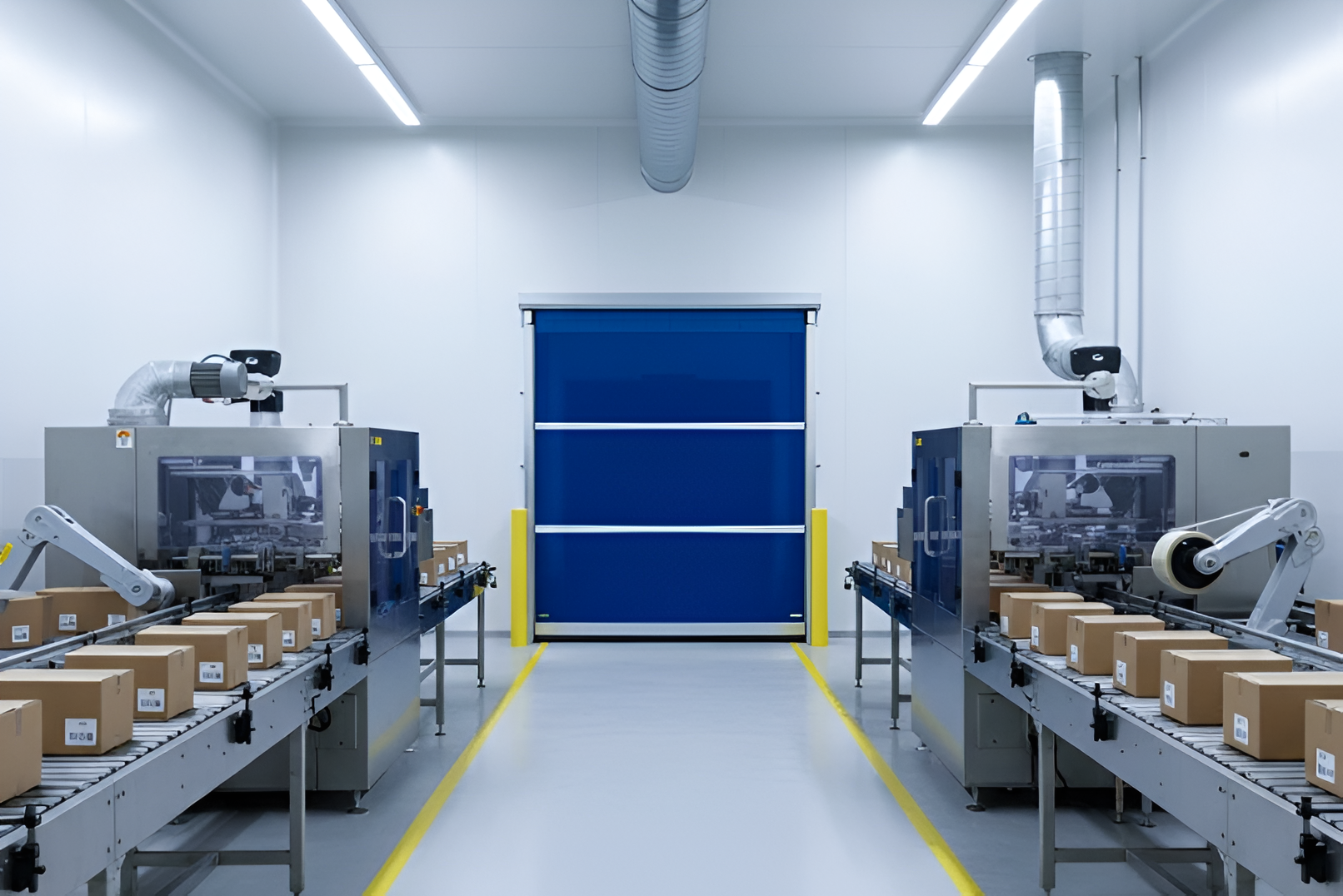
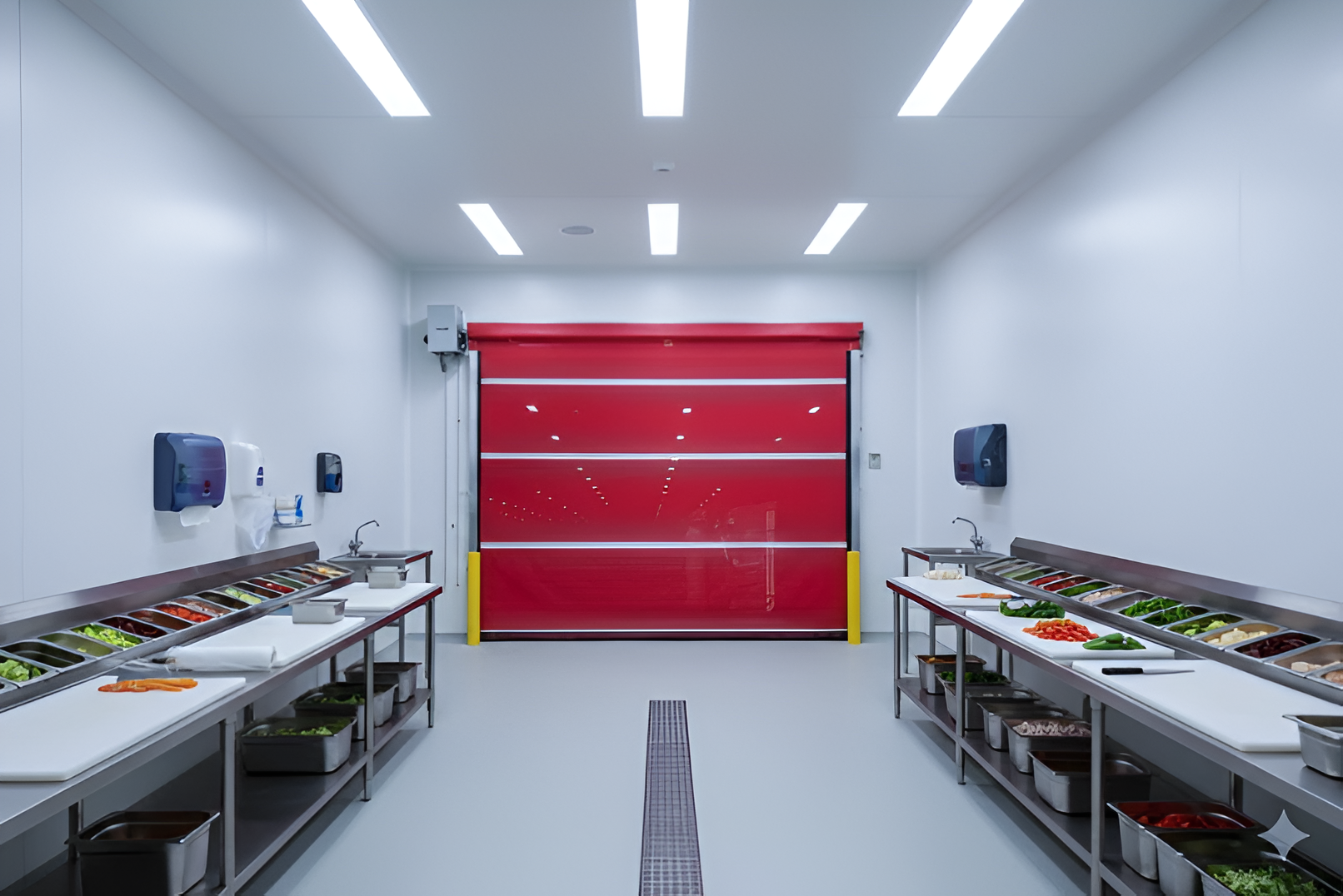
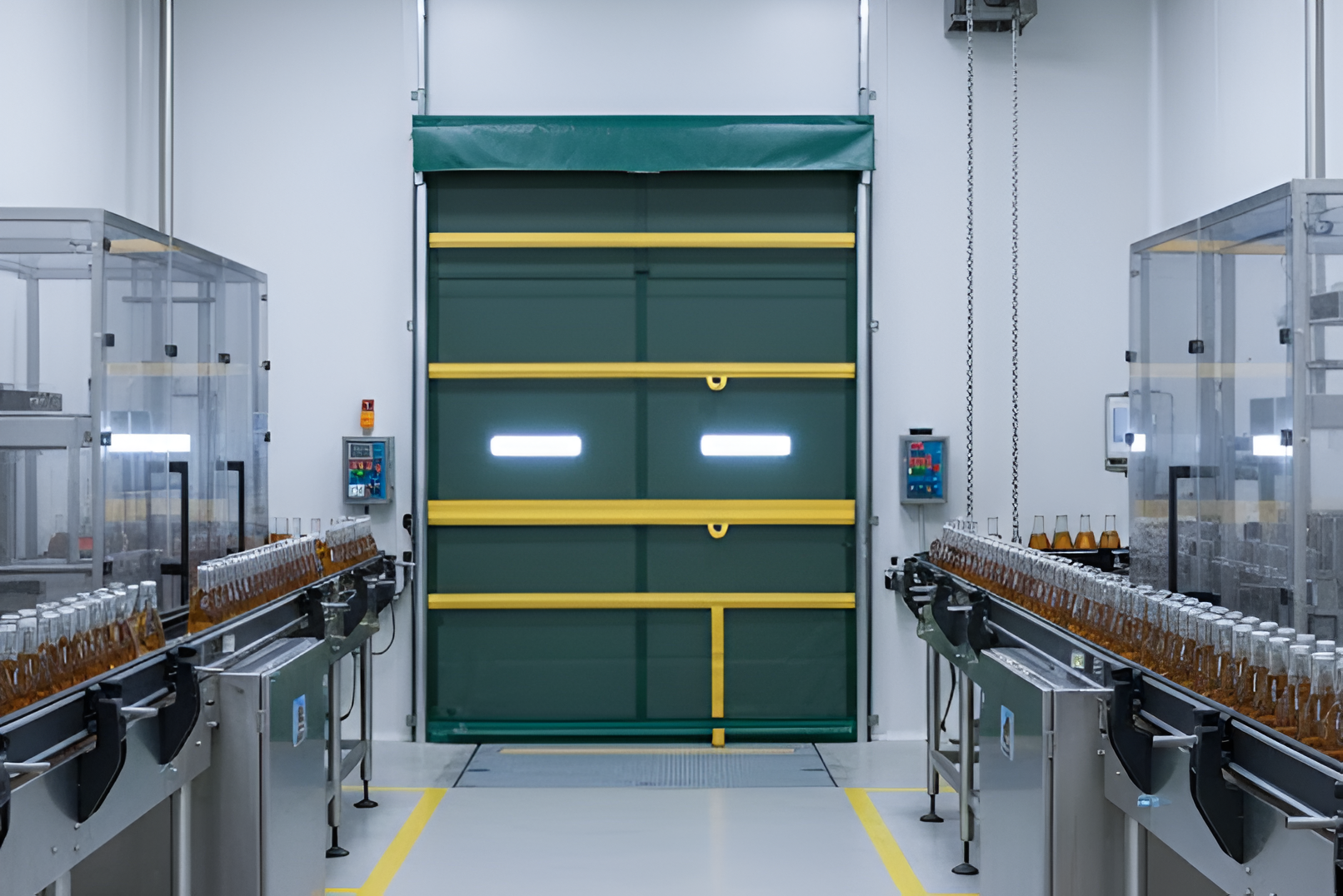
Food processing facilities need consistent airflow without letting pests enter sensitive areas. The Roll Up Bug Door helps achieve this balance by allowing fresh air to circulate while keeping insects out. Commonly used in receiving docks, prep zones, and packaging lines, this article explains why airflow matters, how the door works, the benefits it offers, and what to consider when choosing one.
Upgrade Your Facility With a Roll Up Bug Door
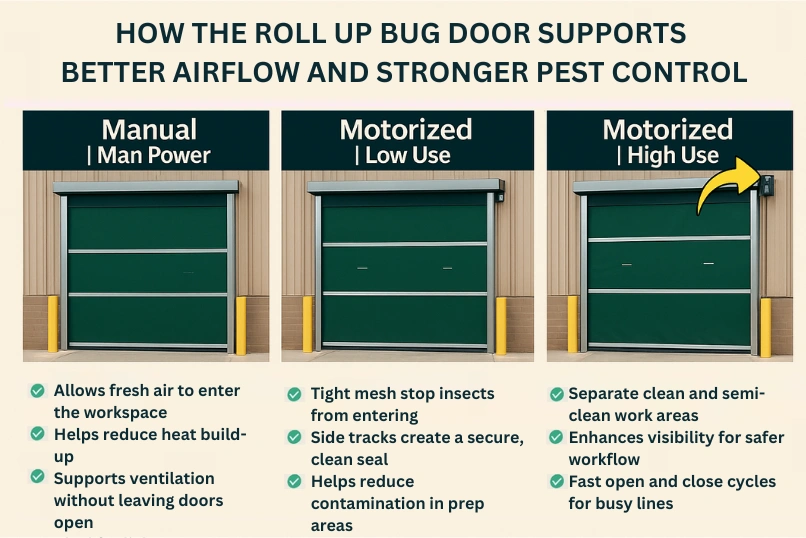
The Roll Up Bug Door helps food processing facilities maintain steady airflow while protecting key areas from insects and contamination risks. Its mesh barrier allows clean air to move freely without leaving openings exposed to pests. With manual, low-use motorized, and high-use motorized options, each setup supports different workflow needs. This makes it a dependable upgrade for any facility aiming for cleaner production zones, improved airflow, and a safer daily operation.
Why Airflow and Pest Control Matter in Food Processing Environments
Food processing environments rely on controlled airflow to stay clean and comfortable, but maintaining the right balance can be difficult. When ventilation falls short, several issues start to affect daily operations.
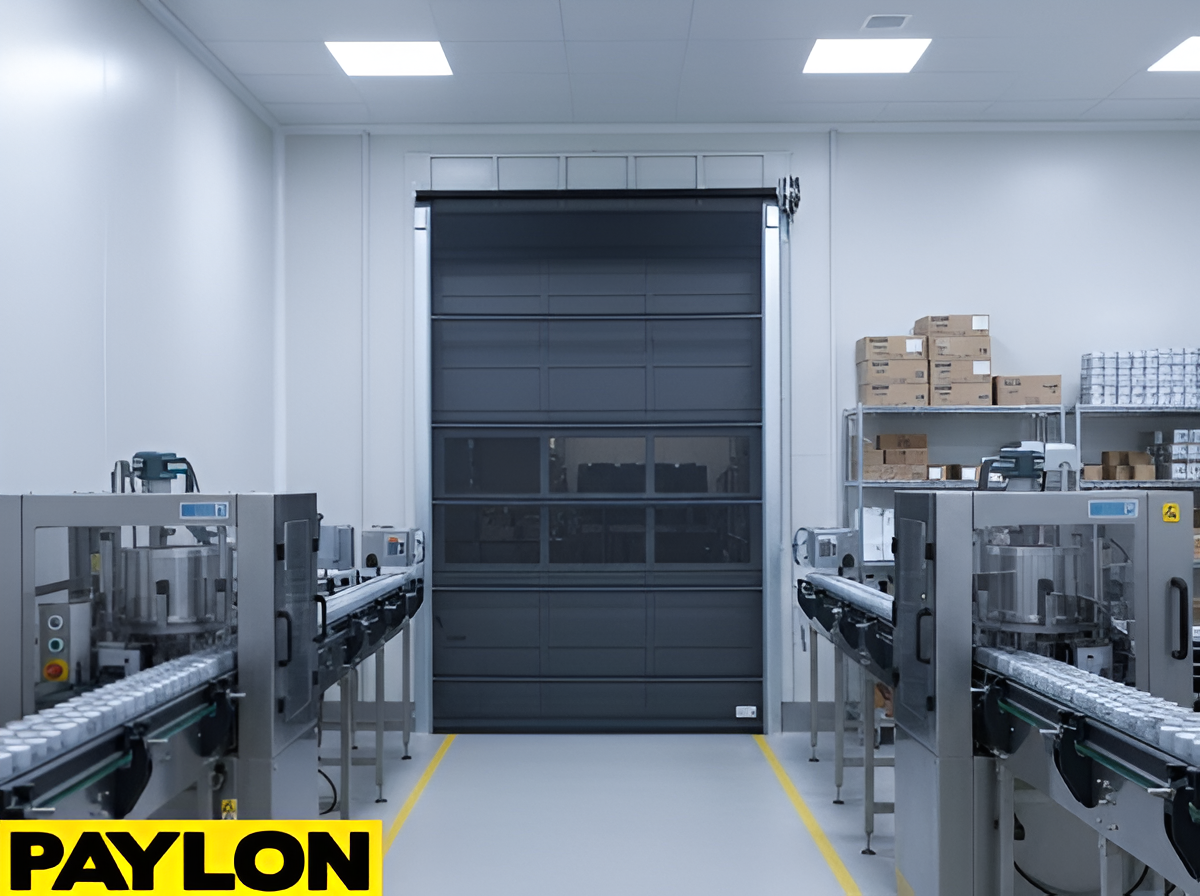
• Heat and humidity build up quickly, making work areas uncomfortable. This can lead to fatigue and reduce productivity in busy processing zones.
• Moisture and stagnant air can affect the quality of ingredients and equipment. Over time, this increases the risk of spoilage and sanitation concerns.
• Leaving doors open invites insects, dust, and outside contaminants. This exposes sensitive areas to avoidable contamination risks that impact food safety.
• Uncontrolled air movement disrupts workflow and pressure-sensitive zones. Workers may feel sudden temperature shifts that affect comfort and consistency.
• Facilities often struggle to improve ventilation without exposing clean areas. This creates the ongoing need for a solution that balances airflow and protection.
These everyday challenges lead many facilities to look for a safer way to support ventilation. A dedicated screen-style system offers a practical approach by improving air movement without compromising sanitation.
How the Roll Up Bug Door Works to Improve Airflow and Block Pests
A closer look at the Roll Up Bug Door shows how its design helps facilities move air through their work areas without opening the door to insects. Each part of the system works together to support cleaner and more controlled environments.
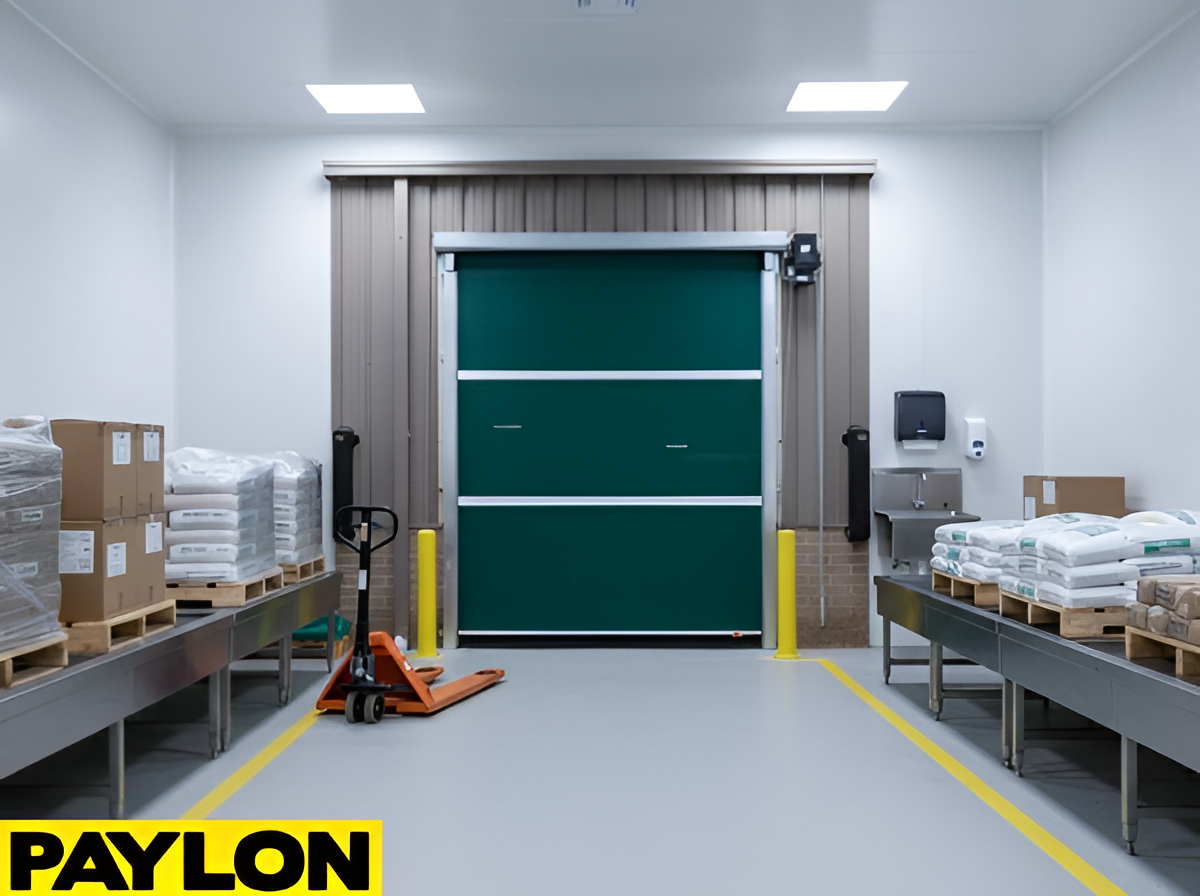
• Breathable mesh lets fresh air circulate freely. This keeps indoor areas cooler while protecting sensitive ingredients and equipment.
• Guided side tracks keep the mesh firmly in place. This prevents shifting or sagging and helps maintain a consistent barrier.
• Tight perimeter seals close off common pest entry points. Small gaps that insects normally exploit are securely covered.
• Manual and motorized options support different workflow needs. Manual fits lighter use, while motorized versions handle steady or heavy traffic.
• Durable construction supports smooth daily operation. The door is built to withstand constant movement in fast-paced food environments.
By combining airflow support with strong pest protection, the Roll Up Bug Door gives facilities a dependable way to manage ventilation without compromising sanitation. Its design helps maintain cleaner zones and smoother movement throughout the production floor.
Key Benefits for Food Processing Facilities
As the Roll Up Bug Door begins supporting airflow and protection across different parts of the facility, it also brings several practical advantages that help improve daily operations. These benefits make work areas cleaner, safer, and more comfortable for employees.
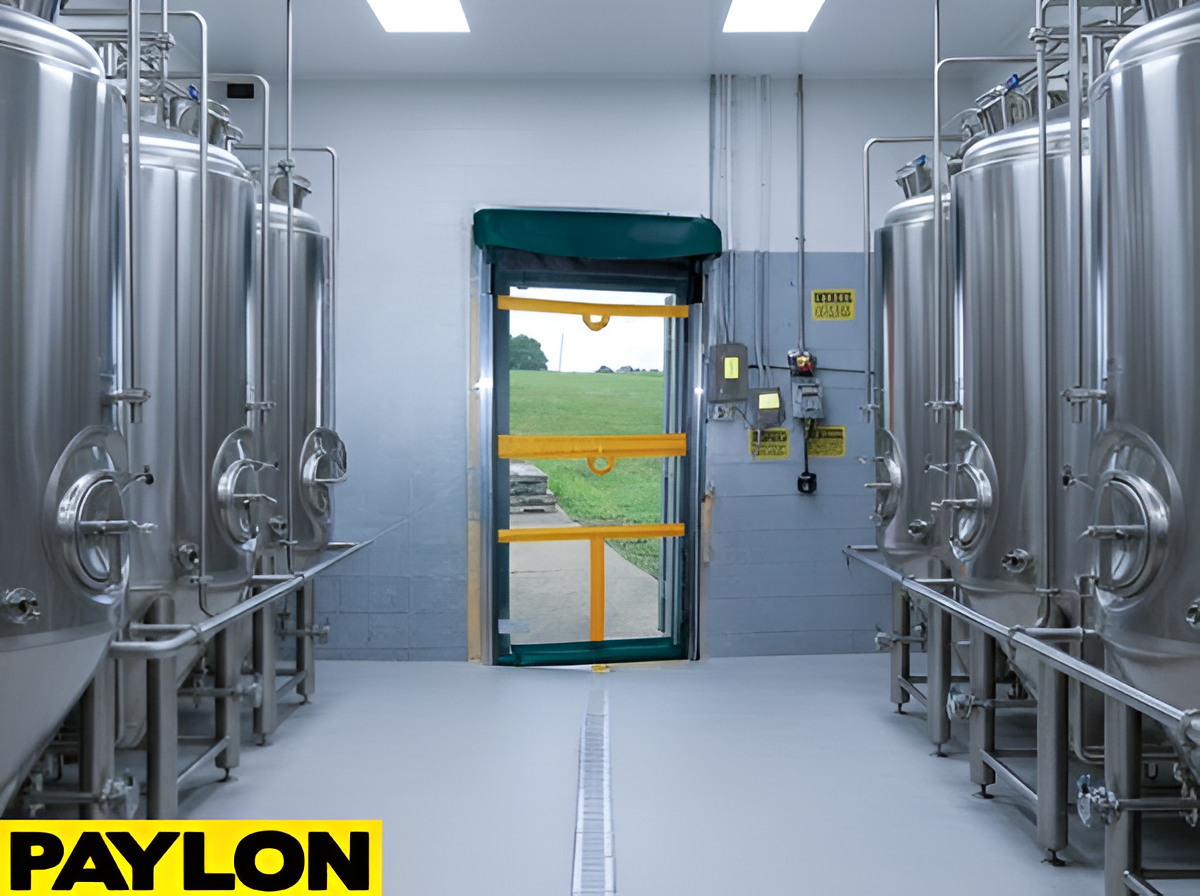
• Creates a cooler and more stable work environment. Consistent airflow helps reduce warm spots and makes long shifts more comfortable for staff.
• Supports sanitation by limiting exposure to insects and birds. This helps protect ingredients, equipment, and work surfaces from unwanted contamination.
• Improves visibility between rooms. Clear line-of-sight makes it easier for supervisors and team members to monitor workflow and stay aware of activity.
• Reduces strain on ventilation systems. With better natural air movement, equipment responsible for cooling or balancing air pressure doesn’t work as hard.
• Maintains clean separation between zones without blocking visibility. Areas stay organized and controlled while still allowing light and movement to pass through.
These benefits help food processing facilities create safer and more efficient work areas. By supporting airflow, improving visibility, and helping maintain cleaner zones, the Roll Up Bug Door strengthens the overall workflow and helps teams stay focused throughout the day.
Why the Roll Up Bug Door Is the Better Choice
Now that the main benefits are clear, it helps to see how each feature of the Roll Up Bug Door supports daily operations. The table below provides a quick look at what each part of the design offers and why many food facilities prefer this option over standard openings.
| Feature | Why It Matters | Benefit for Food Facilities |
|---|---|---|
| Mesh airflow design | Keeps air moving without opening the building | Prevents heat buildup and improves comfort |
| Bug-blocking barrier | Stops insects and birds from entering | Reduces contamination risks |
| Manual or motorized operation | Matches different traffic volumes | Smooth access for workers and carts |
| Custom sizing | Fits large or irregular openings | Works with any facility layout |
| Durable tracks/seals | Maintains a tight closure | Ensures long-term pest control |
This quick comparison makes it easier for managers to choose the setup that best fits their space and workflow needs.
Frequently Asked Questions
FAQs About the Roll Up Bug Door for Food Processing Facilities
Is the Roll Up Bug Door safe for food production areas?
Yes. The Roll Up Bug Door is designed to help protect food preparation and packaging zones from insects while supporting cleaner daily operations.
Does the Roll Up Bug Door allow airflow without letting insects enter?
Yes. Its mesh lets fresh air move through receiving docks and prep rooms while keeping insects and birds out.
Can the Roll Up Bug Door be used with my existing overhead door?
Yes. Many facilities place it behind their overhead door so they can choose between full closure and fresh airflow when needed.
Is the motorized Roll Up Bug Door better for high traffic areas?
Motorized options are ideal for busy production lines because they open and close quickly, keeping foot traffic and carts moving smoothly.
How often should the mesh on a Roll Up Bug Door be cleaned?
Most teams clean it during regular sanitation routines. Frequency depends on dust levels and the type of work being done nearby.
Can the Roll Up Bug Door improve sanitation in sensitive zones?
Yes. It helps reduce the chance of insects entering areas where ingredients, equipment, or packaging materials are exposed.
Does the Roll Up Bug Door keep visibility clear between rooms?
Yes. The mesh allows supervisors and staff to see through the opening, which helps with communication and safe movement.
Can the Roll Up Bug Door fit a very large or irregular opening?
Yes. It can be custom sized to match wide or unique layouts found in food processing facilities.
Will the Roll Up Bug Door help make work areas more comfortable?
It supports steady airflow, which helps reduce warm spots around equipment and makes long shifts more comfortable.
Does the Roll Up Bug Door slow down production or movement?
No. Both manual and motorized versions operate smoothly, allowing workers and carts to move through without delays.
Is the Roll Up Bug Door a good choice for packaging rooms?
Yes. It keeps insects out of packaging areas while allowing airflow that helps the room stay fresh and comfortable.
Can the door be used at the entrance to cold storage zones?
Yes. Many facilities use it to help manage airflow while still keeping the transition area controlled.
Does the Roll Up Bug Door help reduce stress on ventilation systems?
It can. Supporting natural airflow helps reduce the burden on cooling and air circulation equipment.
Is the door easy for forklifts or rolling equipment to pass through?
Yes. The door lifts quickly and stays aligned, giving equipment enough room to move without slowing down.
Can the Roll Up Bug Door be secured after work hours?
It is usually paired with an overhead door for full security when production closes for the day.
Does the Roll Up Bug Door require complicated maintenance?
No. Basic cleaning and quick checks of the tracks and seals are usually enough to keep it working well.
Will installation disrupt production?
Most installations are planned around the facility schedule and can be completed with minimal downtime.
Can the Roll Up Bug Door help improve odor control?
It supports better airflow, which can help keep workspaces fresher during long production hours.
Is the Roll Up Bug Door suitable for high moisture environments?
Yes. Its materials are built for industrial conditions and can handle the moisture levels found in food prep areas.
Is the Roll Up Bug Door a long term investment for food processing facilities?
Yes. Its durable design and smooth operation make it a reliable solution for improving airflow and protection over time.
A Smarter Approach to Airflow and Safety
The Roll Up Bug Door gives food processing facilities a practical way to improve airflow while keeping pests out, helping work areas stay cleaner and more controlled throughout the day. By supporting sanitation, comfort, and smoother movement between zones, it becomes a helpful addition to production spaces that rely on consistency and protection. For facility managers looking to strengthen ventilation and create a safer environment for their teams, reviewing the current setup and exploring available door options is a simple next step. You can request specifications or get a quote anytime to see what will work best for your layout.
Keeping Food Prep Zones Protected
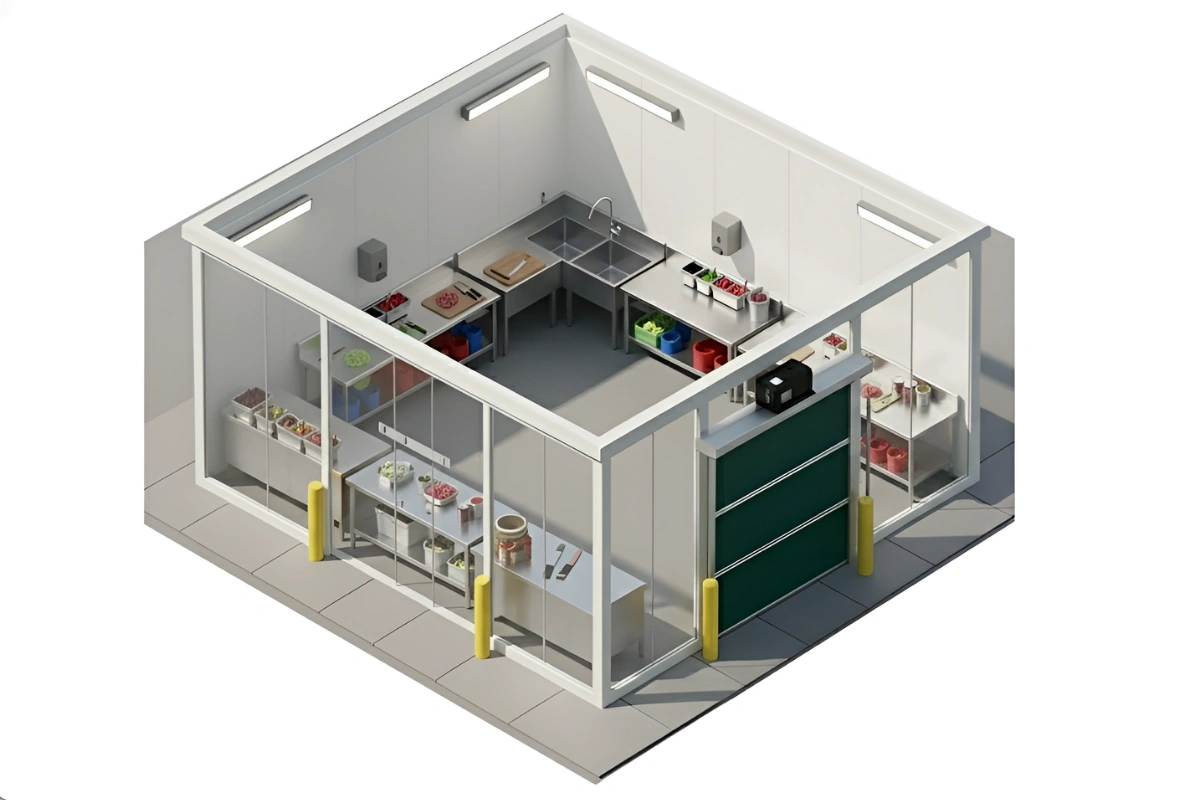
Photo Gallery