
Stronger Airflow for Chemical Plants
Explore how the Roll Up Bug Door helps chemical processing plants improve airflow, block pests, and maintain cleaner work areas without disrupting daily operations.
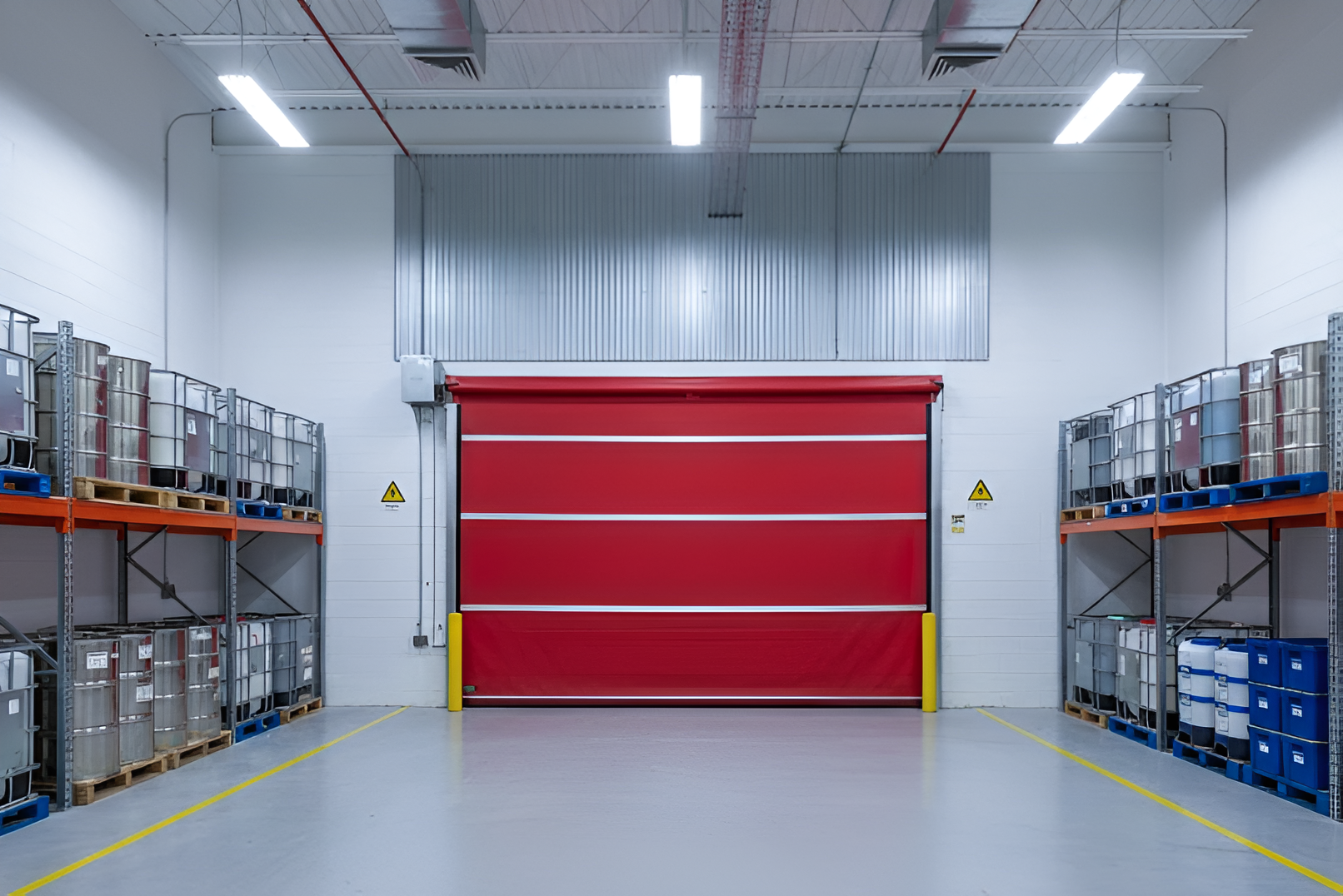
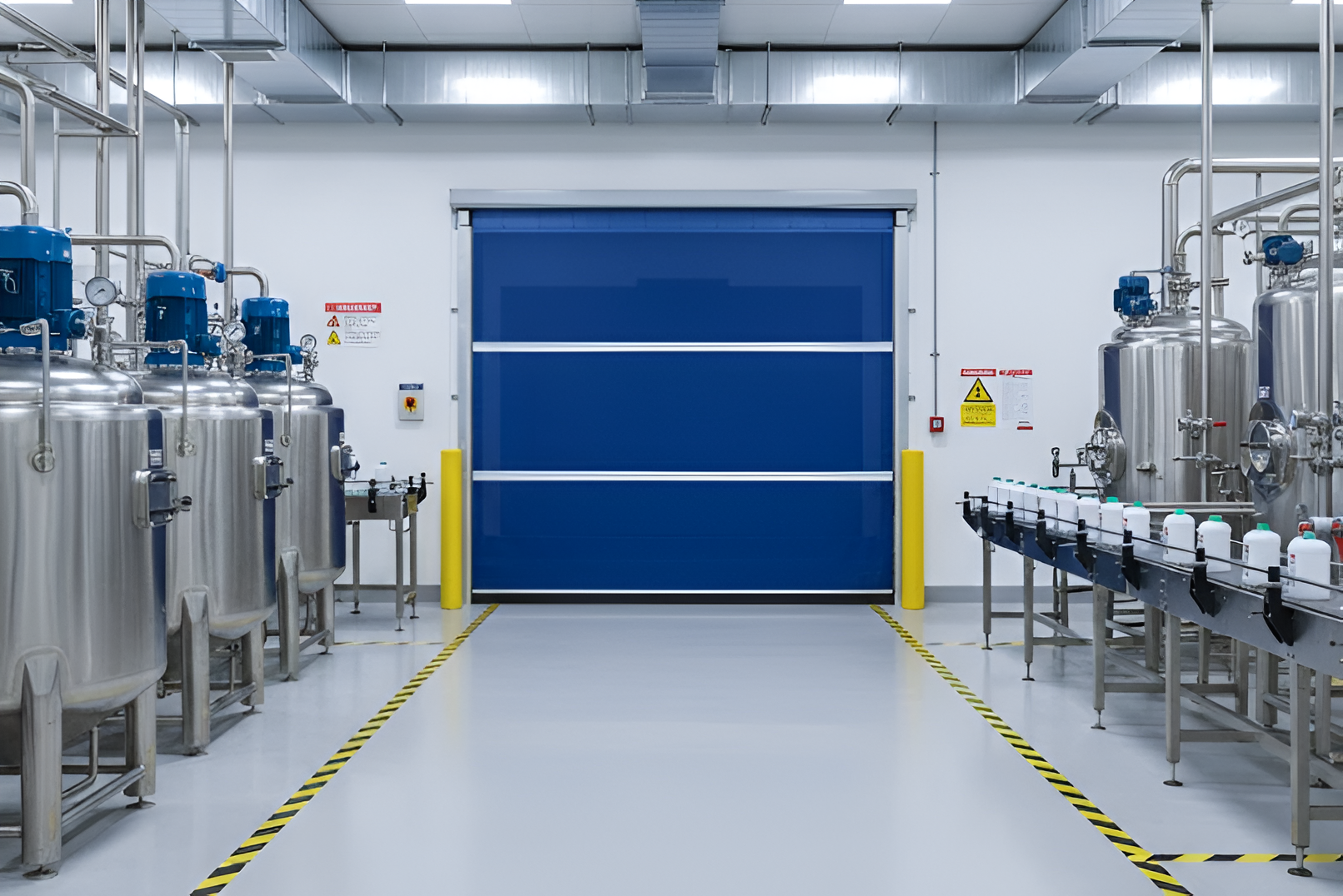
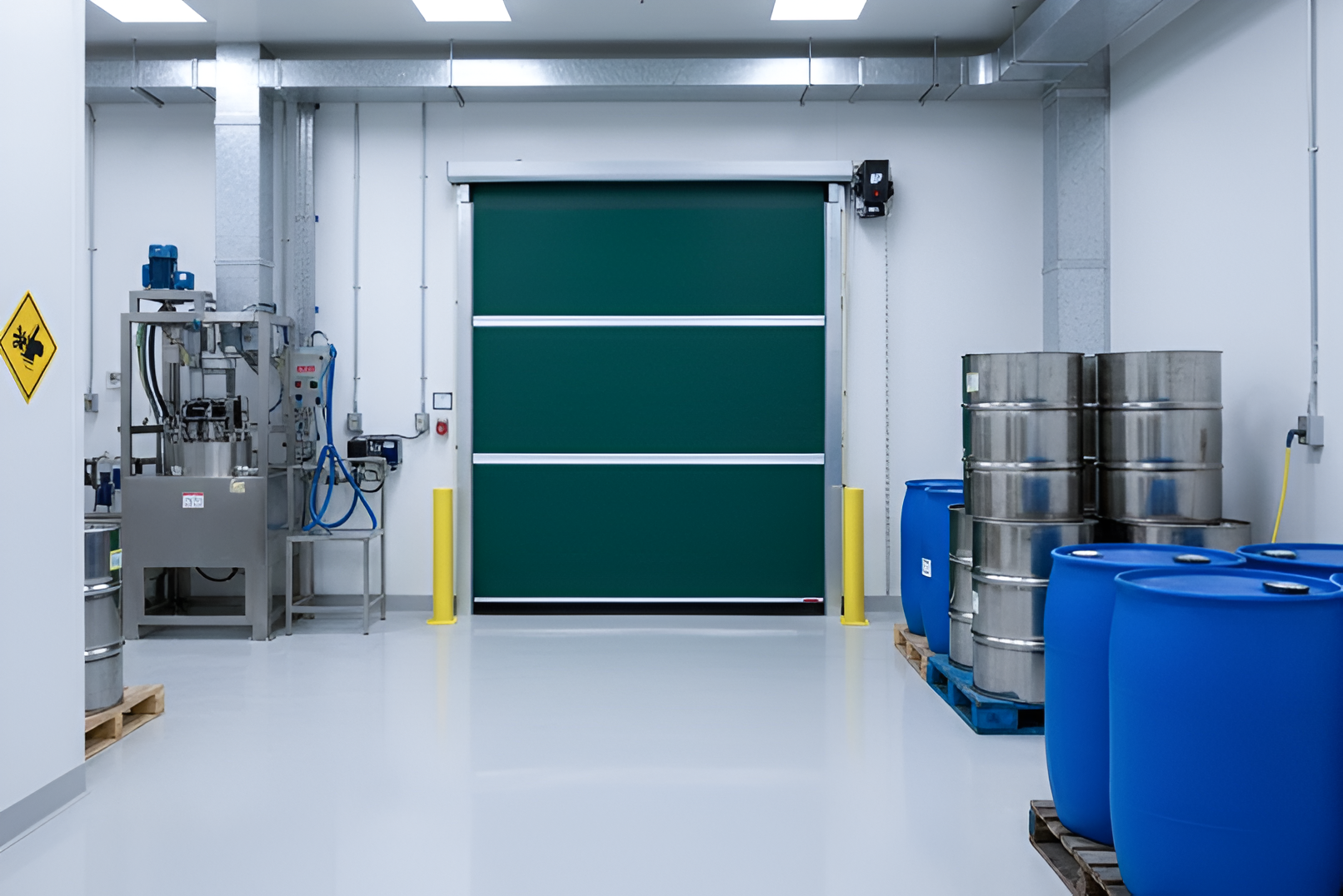
Chemical processing plants need steady ventilation and clean work areas to stay safe and compliant. Keeping air moving without letting pests or debris enter is a constant challenge. This article explores the ventilation issues these facilities face and explains how the Roll Up Bug Door helps maintain cleaner, better-protected work zones.
Best Roll Up Bug Door for Effective Pest Control
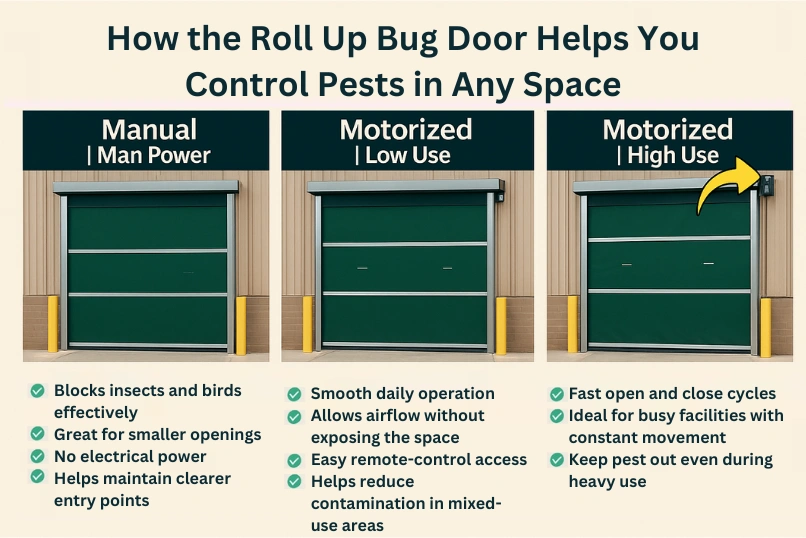
The Roll Up Bug Door is built to help your facility stay clean, ventilated, and pest-free. Its mesh design allows consistent airflow while serving as a protective barrier against bugs and debris. This makes it ideal for spaces that need both ventilation and contamination control. With smooth operation and durable construction, it supports efficient workflows and safer work areas. It’s a reliable choice for improving cleanliness and air quality in any environment.
Ventilation and Cleanliness Challenges in Chemical Processing Plants
Chemical processing plants deal with air quality concerns every day, and the way materials are handled often creates conditions that require consistent ventilation. These challenges can affect safety, sanitation, and overall workflow if not managed properly.
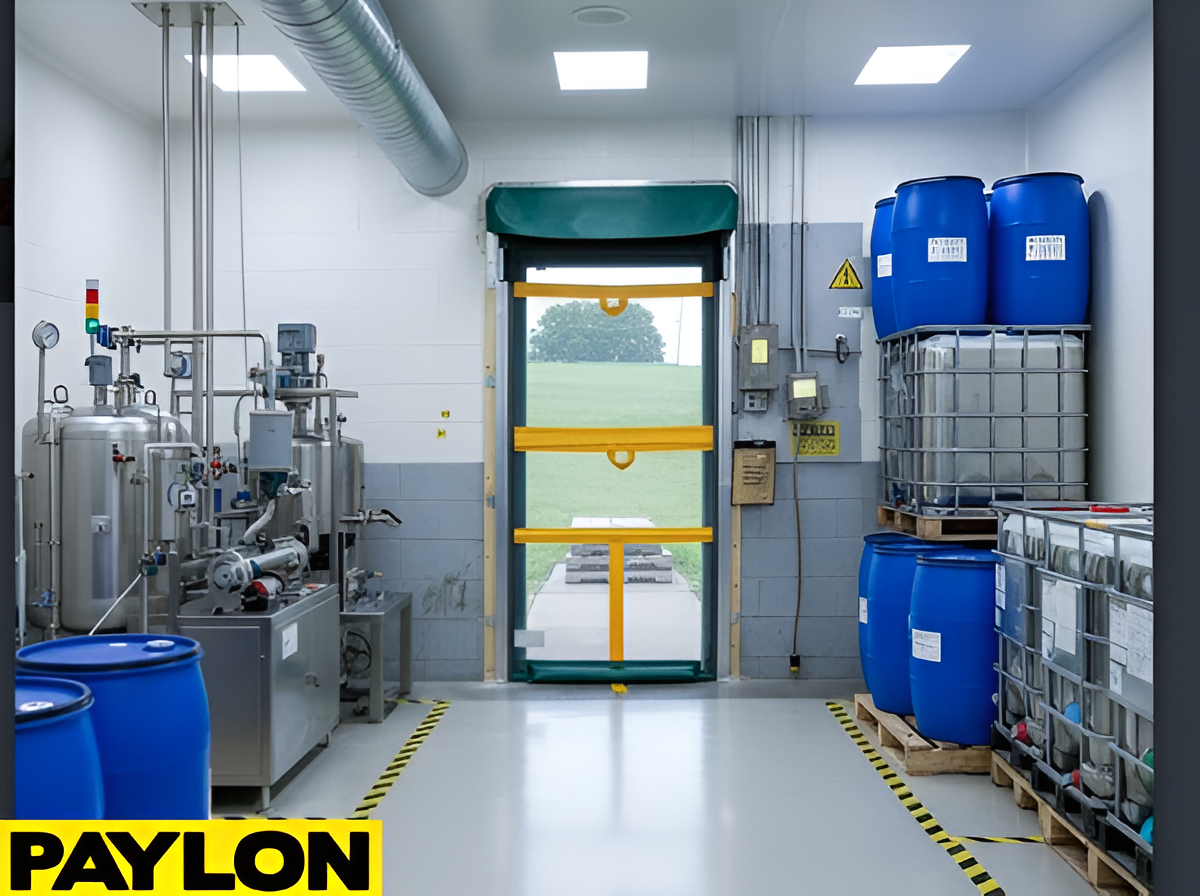
• Fumes, vapors, and airborne particles produced during mixing and chemical reactions. These byproducts can build up quickly, making proper airflow essential for worker safety and visibility.
• Open doorways allowing insects, birds, and outdoor debris to enter work areas. This becomes a sanitation risk, especially around sensitive equipment or storage zones.
• Need for constant airflow without lowering cleanliness standards. Facilities must find a way to keep fresh air moving while still protecting the workspace from outside contaminants.
• Strict safety and contamination-prevention requirements that demand reliable ventilation solutions. Meeting these standards helps plants maintain compliance and reduce the risk of production delays.
With these ongoing challenges, facilities need a way to keep air moving while still protecting sensitive zones from exposure. This sets the stage for solutions that support both ventilation and cleanliness at the same time.
How the Roll Up Bug Door Helps Chemical Plants Meet These Needs
Chemical processing plants need a ventilation option that works without exposing production areas to outside elements. The Roll Up Bug Door offers features that help facilities maintain airflow while still protecting sensitive zones.
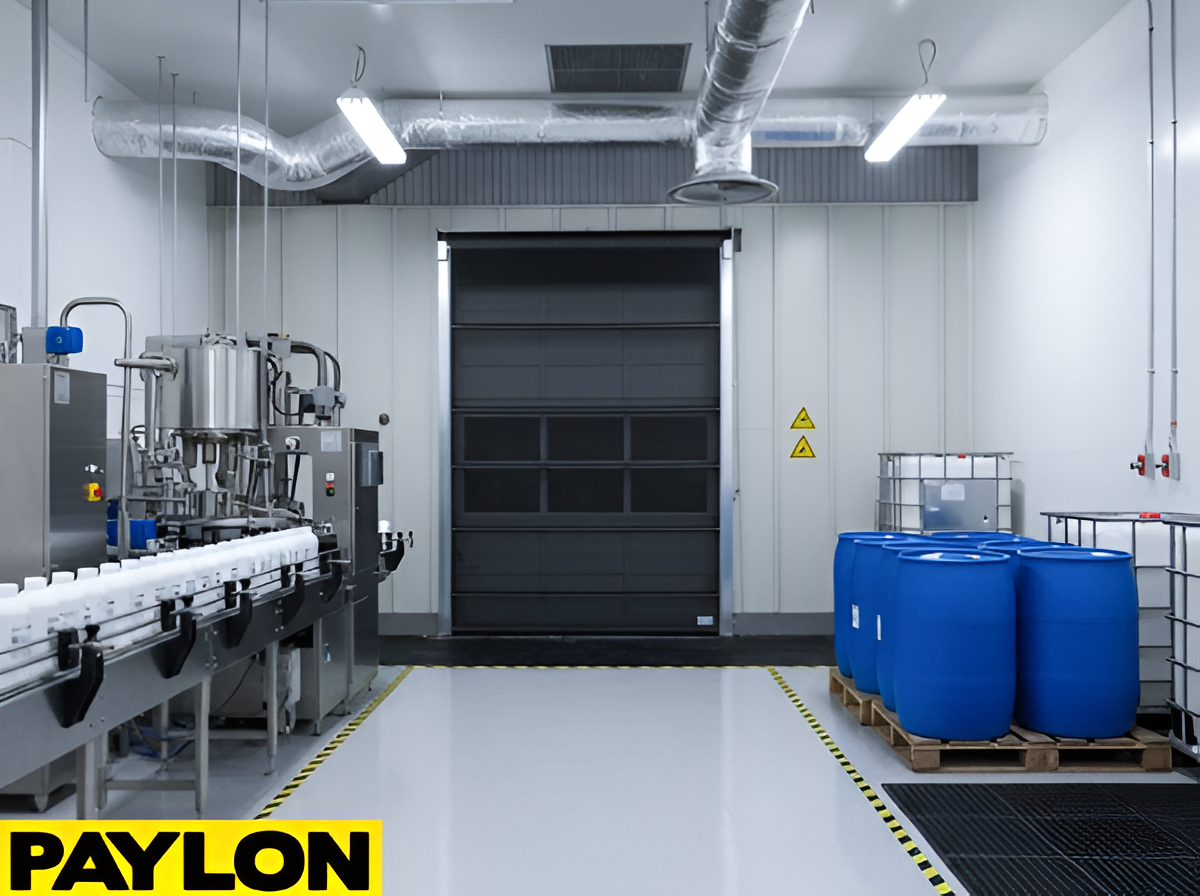
• Mesh material that supports steady air movement across active areas. This helps keep the workspace comfortable while improving overall air circulation in zones that need consistent airflow.
• Roll-up design that keeps pathways open and easy to navigate. This allows workers and equipment to move freely without stopping to adjust or move barriers.
• Industrial-grade construction built to handle heat, movement, and frequent use. Its durability makes it a long-term solution that can keep up with the fast pace of chemical processing environments.
• Practical solution for areas that rely on ventilation but cannot remain exposed. It provides the balance facilities need, letting fresh air in while shielding the workspace from outdoor contaminants.
These features make the Roll Up Bug Door a dependable choice for chemical plants that need to balance airflow, cleanliness, and daily efficiency. It helps facilities maintain the environment they need without disrupting their operations.
Key Benefits for Chemical Processing Work Areas
Chemical plants rely on workspaces that stay clean, safe, and easy to move through. Once the Roll Up Bug Door is in place, it helps support these daily needs by improving how air, movement, and cleanliness are managed across different sections of the facility.
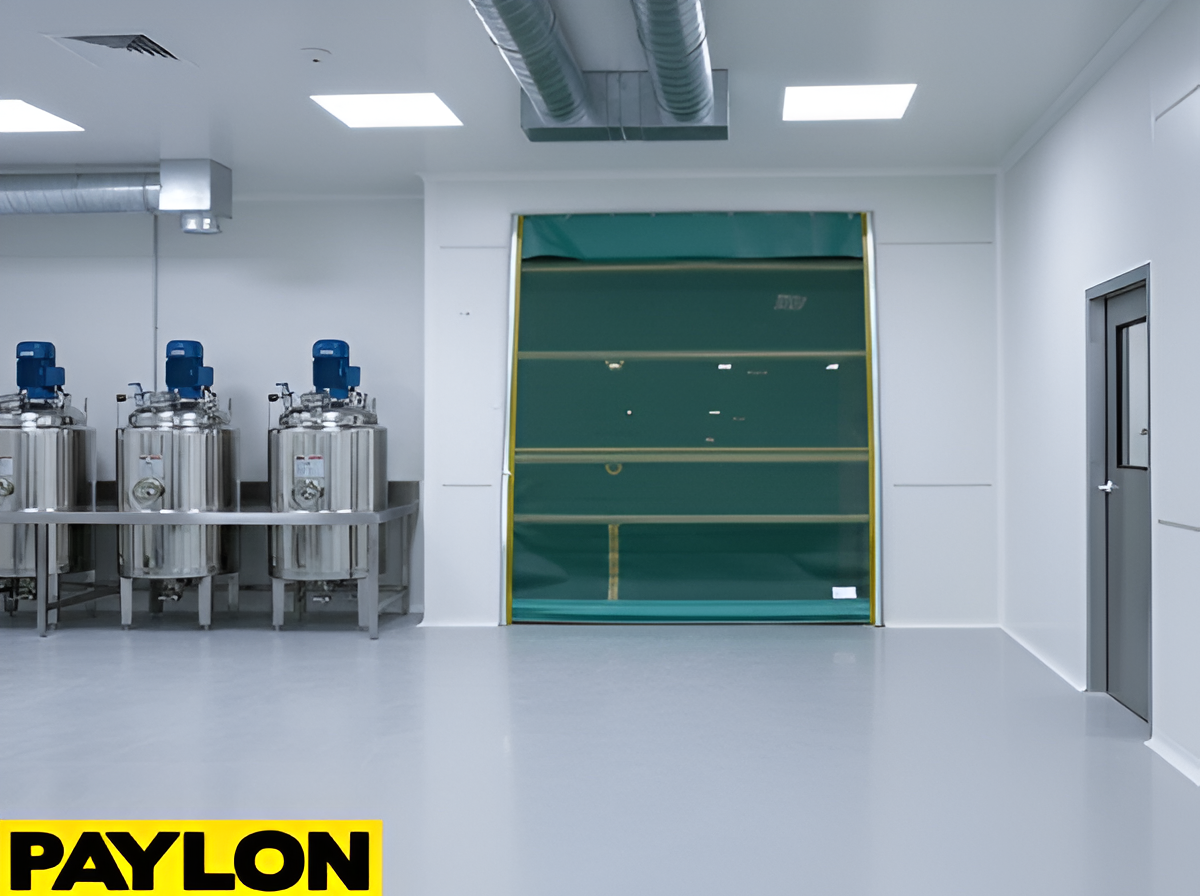
• Cleaner air and reduced contamination risk. By helping limit the amount of debris and outdoor particles that reach production zones, the door supports a cleaner environment that contributes to better product quality and facility hygiene.
• Better ventilation in mixing rooms, storage zones, and production areas. Fresh air can move through busy areas more easily, helping control heat, reduce lingering odors, and keep the workspace more comfortable for employees.
• Improved workflow visibility and operational safety. The door’s design helps maintain clear sightlines so workers can see approaching equipment or teammates, which reduces interruptions and supports safer movement throughout the plant.
• Supports compliance with cleanliness and air-quality guidelines. Keeping work areas protected while allowing airflow makes it easier for facilities to meet industry expectations and maintain reliable operating conditions.
• Clean workspace, ventilation solutions, airflow control. These benefits match what many facility managers look for when they search for ways to improve indoor air movement, maintain cleanliness, and control exposure between work areas.
Overall, these advantages give chemical plants a practical way to maintain a controlled, cleaner workspace while still meeting daily ventilation needs. With the right setup in place, facilities can create safer and more efficient zones for both workers and equipment.
Roll Up Bug Door vs Common Alternatives
Chemical plants use different types of barriers to manage entry points, and each option offers its own strengths depending on how the facility operates. Choosing the right one often depends on how much airflow, visibility, or long-term durability a workspace needs. To help facility managers compare their options more easily, the table below outlines how common solutions differ in everyday use.
| Solution | Airflow Capability | Pest Protection | Durability | Best For |
|---|---|---|---|---|
| Solid Doors | No airflow | Strong when fully closed | Very durable | Areas that require separation without ventilation |
| Strip Curtains | Moderate airflow | Limited pest control | Moderate | Light-use areas or quick separations |
| Temporary Screens | Good airflow | Weak barrier | Low | Short-term or low-demand environments |
| Roll Up Bug Door | Strong airflow | Reliable pest protection | Industrial-grade | Facilities needing both airflow and protected entry points |
Knowing these options side by side makes it easier for facility managers to understand which solution aligns with their daily needs. With a clear comparison in place, the next step is to look at common questions plant operators often ask when deciding how to improve ventilation and workspace protection.
Frequently Asked Questions
FAQs for Chemical Processing Facilities
Can the Roll Up Bug Door handle strong airflow from chemical ventilation systems?
Yes. The mesh allows steady air movement, making it suitable for ventilation setups that run continuously in busy processing areas.
Is the mesh material durable enough for chemical plant environments?
Yes. It is made from industrial materials that hold up well in areas with frequent activity and changing air conditions.
Where is the best place to install the door for better airflow control?
It works well on openings that connect high-ventilation areas, such as mixing rooms, chemical storage zones, or production lanes.
Can the Roll Up Bug Door work alongside exhaust fans or HVAC systems?
Yes. It allows fresh air to circulate freely, which helps support mechanical ventilation systems without leaving the workspace exposed.
Does the door help reduce cross-contamination between work sections?
It helps limit outdoor particles and debris, which supports cleaner transitions between different areas of the facility.
Are motorized versions available for high-traffic locations?
Yes. Motorized options are available and are a good choice for facilities that need quick or frequent door operation.
Can forklifts and carts move through the door easily?
Yes. The roll-up design keeps pathways clear so equipment can pass through without slowing down workflow.
Will the door stay stable in strong internal airflow?
Yes. Its frame and mesh are designed to stay steady even when ventilation systems create stronger air movement.
Is the door simple for staff to operate during busy hours?
Yes. Both manual and motorized models are built for easy, smooth operation that workers can use without confusion.
Can the door help improve airflow in warmer production areas?
Yes. The mesh allows warm air to escape and fresh air to enter, which can support cooling in more active zones.
Does the door prevent birds or larger outdoor debris from entering?
Yes. The mesh helps block birds, leaves, insects, and other outdoor particles from entering open sections of the plant.
Can the Roll Up Bug Door handle temperature changes in chemical processing areas?
Yes. It is built to handle warm and active environments where airflow and movement are frequent.
Is the door suitable for indoor and outdoor installation points?
Yes. It can be used in either location as long as the mounting surface is level and properly aligned.
How often should the mesh be cleaned in a chemical facility?
Most plants simply wipe it during routine cleaning to remove dust or residue, keeping airflow consistent.
Can the door be used with other protective barriers or safety systems?
Yes. It works well with safety gates, marked pathways, or other workflow control systems.
Does the mesh allow visibility between work areas?
Yes. Staff can see movement on the other side of the door, which supports safer navigation.
Can the door be customized for wide or tall openings in processing plants?
Yes. It can be made in different sizes so facilities can match it to unusual or oversized entry points.
Is the door helpful in confined or narrow ventilation zones?
Yes. The mesh allows circulation even in tighter spaces where airflow is needed to remove fumes or odors.
Does the door require electricity?
Only the motorized model needs power. Manual versions operate without electricity and are ideal for simple openings.
Is installation straightforward for most chemical facilities?
Yes. Installation is usually simple and requires only proper measurements and a stable surface. Facilities can request help if they want guided setup.
Bringing Better Ventilation and Protection Together
Choosing the right solution can make a real difference in how well a chemical processing facility manages airflow and cleanliness. The Roll Up Bug Door brings these goals together by helping improve ventilation, support cleaner work areas, and offer a practical alternative to barriers that block air or allow too much exposure. For plants looking to upgrade their airflow and workspace protection, exploring this option is a simple next step toward creating safer and more efficient environments.
Clean and Ventilated Chemical Storage Layout
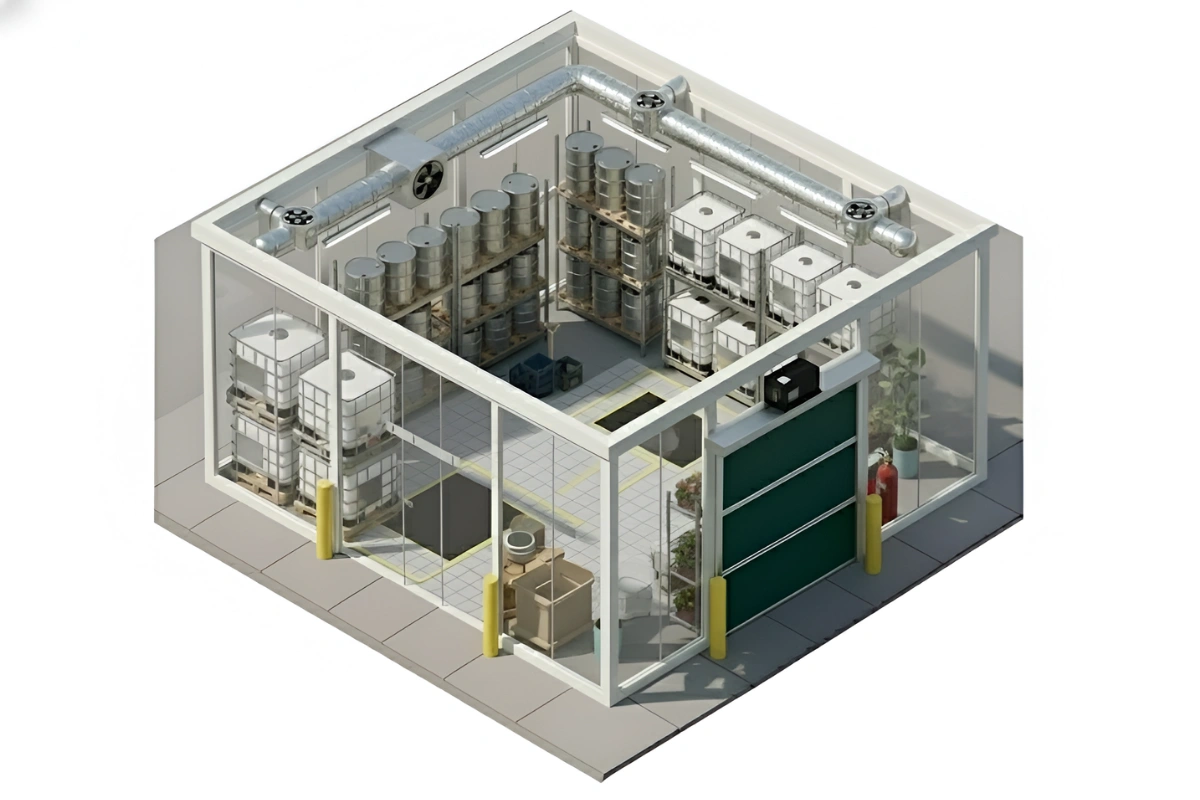
Photo Gallery