
Built for Constant Movement
Learn how roll-up vinyl doors support efficient movement and daily routines in medical facilities with continuous traffic.
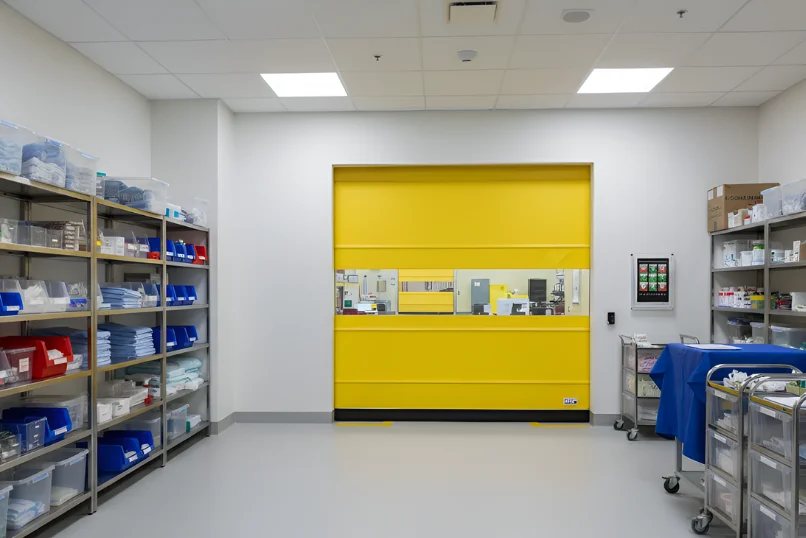
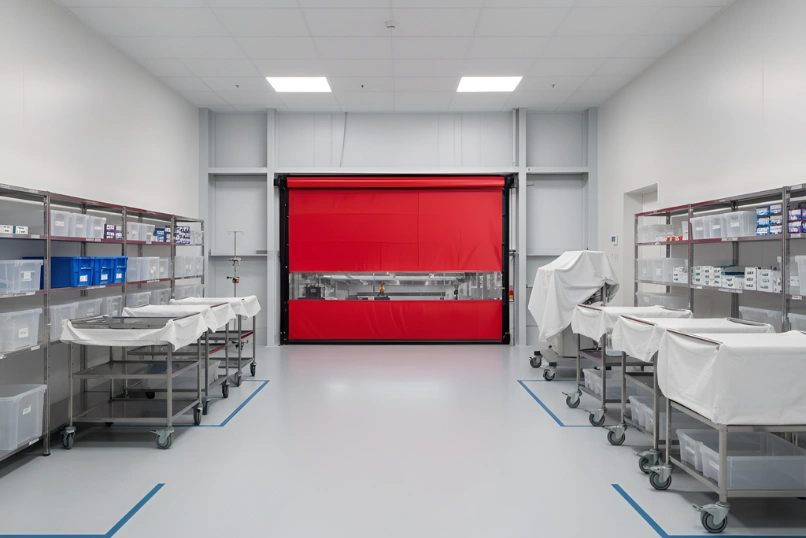
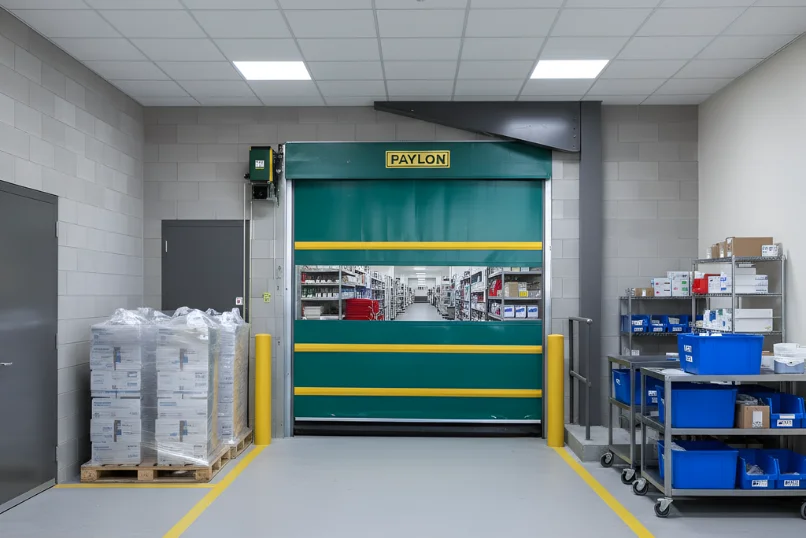
Medical facilities experience constant in-and-out activity every day. In busy healthcare environments, door performance plays a critical role in managing movement between spaces. This article examines the challenges frequent traffic creates, how roll-up vinyl doors function in daily medical operations, where they are commonly used, and what facilities consider when choosing them.
Best Roll-Up Vinyl Door for Busy Medical Facilities
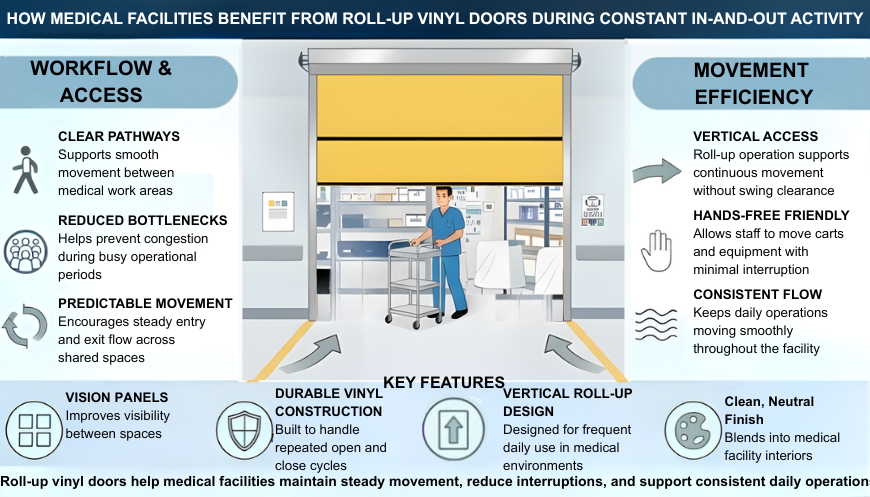
In busy medical environments, doors must support repeated use without becoming an obstacle. Roll-up vinyl doors are built to open and close smoothly throughout the day, helping staff move efficiently between spaces. With options for manual or motorized operation, they adapt to different traffic levels and routines. This predictable access helps reduce delays, maintain better flow, and support the daily rhythm of medical facility operations.
Why Constant In-and-Out Activity Creates Challenges in Medical Facilities
In medical facilities, doors are used far more often than people realize. From early morning rounds to late-day supply runs, constant movement puts everyday pressure on access points throughout the building.
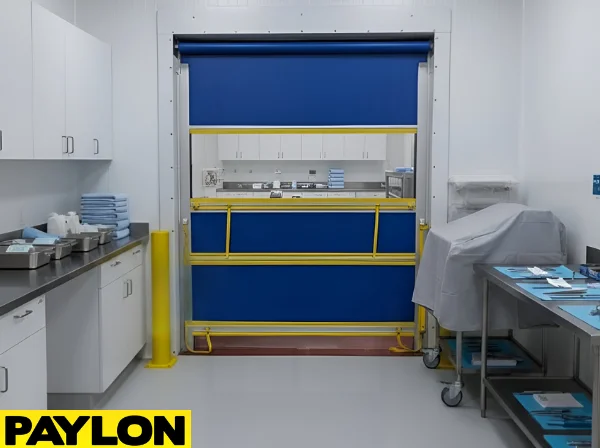
• High volume of daily traffic. Staff, patients, carts, and equipment move between rooms and departments all day, placing repeated demands on doors.
• Bottlenecks at access points. Traditional door types can slow movement, especially when staff are handling equipment or navigating tight corridors.
• Interrupted workflows. Even brief pauses at doors can break routine patterns and cause small delays to add up over time.
• Difficulty maintaining clean transitions. Doors that are frequently propped open or held can make it harder to manage separation between different areas.
• Added strain on daily operations. When doors are not suited for constant use, they become one more obstacle staff must work around.
These challenges are not caused by poor planning or staffing. They are a natural result of constant in-and-out activity. Addressing them starts with understanding how doors are used throughout the day and where traditional options fall short.
How Roll-Up Vinyl Doors Function in Busy Healthcare Environments
In medical facilities with frequent movement, doors are opened and closed repeatedly throughout the day. Roll-up vinyl doors operate vertically, allowing continuous access between spaces without relying on swing clearance or side space.
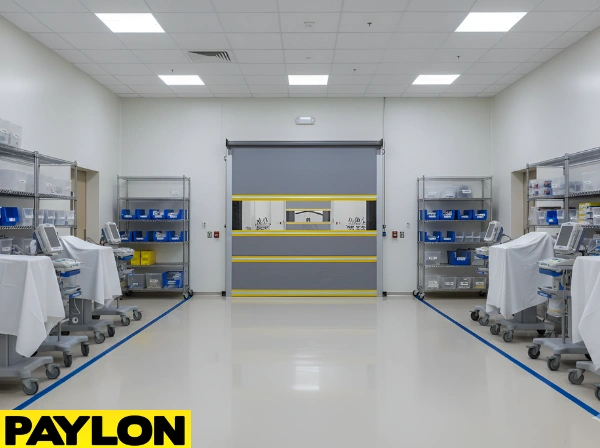
• Repeated opening and closing. Roll-up vinyl doors operate vertically, allowing staff to pass through the opening multiple times a day without requiring swing clearance.
• Manual and motorized operation options. These doors are available in manual or motorized versions, with the choice typically based on how often the door is used throughout the day.
• Matched to traffic patterns and routines. Facilities select the appropriate operation type depending on traffic frequency, shift schedules, and routine movement between spaces.
• Integrated into routine staff movement. Staff interact with roll-up vinyl doors as part of everyday tasks, including moving carts, supplies, and equipment between areas.
By focusing on consistent, repeatable operation, roll-up vinyl doors fit naturally into the daily rhythm of busy healthcare environments. Understanding how they function helps facilities determine where these doors align with existing movement patterns.
What Medical Facilities Gain from Using Roll-Up Vinyl Doors
Once roll-up vinyl doors are integrated into daily movement patterns, medical facilities begin to see clear operational gains that go beyond basic access.
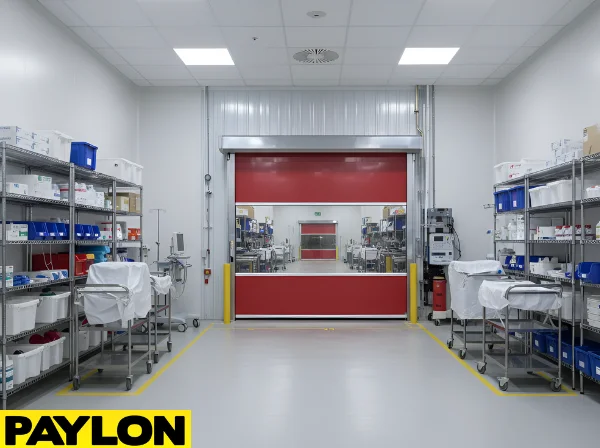
• Smoother workflow during repeated entry and exit. Staff are able to move between spaces with fewer interruptions, helping daily routines stay consistent even during busy periods.
• Cleaner transitions between functional areas. Facilities can better manage separation between spaces, supporting more controlled and orderly movement throughout the building.
• Better use of space in corridors and rooms. With fewer obstructions at access points, available space can be used more efficiently for movement, equipment, and daily activity.
• Reliable performance in high-traffic environments. Facilities gain confidence that access points can handle frequent daily use without becoming a recurring issue.
These gains add up over time, helping medical facilities maintain steady operations, reduce friction in daily movement, and support a more predictable working environment.
Where Roll-Up Vinyl Doors Are Commonly Used in Medical Facilities
After knowing what medical facilities gain from roll-up vinyl doors, the next step is identifying where these doors are typically installed within a building. Placement is usually based on how often an area is accessed and how frequently movement occurs throughout the day.
| Area of Facility | Type of Activity | Why Roll-Up Vinyl Doors Work Well |
|---|---|---|
| Supply and storage areas | Regular restocking and equipment access | Supports frequent entry without interfering with nearby spaces |
| Treatment support zones | Staff movement between prep, support, and service areas | Helps maintain separation between different functional spaces |
| Loading and receiving points | Daily deliveries of medical supplies and materials | Handles repeated open-and-close use during delivery schedules |
| Department transitions | Movement between departments and shared corridors | Fits high-use access points without blocking walkways |
By placing roll-up vinyl doors in areas with consistent daily access, medical facilities can better align door selection with how their spaces are actually used.
Frequently Asked Questions
FAQs About Roll-Up Vinyl Doors in Medical Facilities
Are roll-up vinyl doors suitable for high-traffic areas in medical facilities?
Yes, roll-up vinyl doors are commonly used in medical facilities where doors are opened and closed frequently throughout the day.
Do roll-up vinyl doors help maintain clean access between spaces?
Roll-up vinyl doors are often selected for medical facilities that need controlled separation between functional areas during daily movement.
Are motorized roll-up vinyl doors better for busy medical facilities?
Motorized roll-up vinyl doors are typically chosen for medical facilities with consistent daily traffic and repeated access needs.
Where are roll-up vinyl doors typically installed in healthcare settings?
Roll-up vinyl doors are commonly installed in supply areas, treatment support zones, loading points, and department transitions within medical facilities.
Can roll-up vinyl doors support daily staff and equipment movement?
Yes, roll-up vinyl doors are designed to support routine movement of staff, carts, and equipment in medical environments.
Are roll-up vinyl doors used in hospitals and clinics?
Roll-up vinyl doors are used in both hospitals and clinics where frequent access is part of normal daily operations.
Do roll-up vinyl doors work well in narrow medical corridors?
They are often selected for medical corridors where swing clearance from traditional doors would limit usable space.
Are roll-up vinyl doors appropriate for non-patient areas?
Yes, roll-up vinyl doors are commonly installed in support and back-of-house areas within medical facilities.
How do medical facilities choose between manual and motorized roll-up vinyl doors?
Medical facilities typically base this decision on traffic frequency and how often the door is used throughout the day.
Can roll-up vinyl doors be installed between departments?
Roll-up vinyl doors are frequently used between departments where staff move back and forth during routine operations.
Are roll-up vinyl doors practical for medical storage and supply rooms?
Yes, roll-up vinyl doors are well suited for storage and supply areas that require repeated daily access.
Do roll-up vinyl doors require changes to staff routines?
Roll-up vinyl doors are usually integrated into existing workflows without requiring staff to change how they perform daily tasks.
Are roll-up vinyl doors a good option for medical delivery areas?
They are commonly used in loading and receiving areas that handle regular deliveries in medical facilities.
Can roll-up vinyl doors handle repeated daily use in healthcare environments?
Roll-up vinyl doors are designed for environments where doors are opened and closed many times each day.
Do roll-up vinyl doors help reduce congestion at access points?
They are often chosen for busy access points in medical facilities to support more consistent movement.
Are roll-up vinyl doors used in treatment support areas?
Yes, roll-up vinyl doors are commonly found in areas that support treatment and clinical operations.
Do roll-up vinyl doors take up space when open?
Roll-up vinyl doors open vertically, allowing them to stay out of the way during use.
Can roll-up vinyl doors be used in medical facilities with multiple shifts?
They are frequently installed in medical facilities that operate across multiple shifts with continuous activity.
Are roll-up vinyl doors only used in large medical facilities?
Roll-up vinyl doors are used in both large and smaller medical facilities where frequent access is needed.
How do roll-up vinyl doors fit into daily medical operations?
Roll-up vinyl doors function as part of normal movement between spaces, supporting routine access throughout the day.
Supporting Daily Movement in Medical Facilities
Constant in-and-out activity is a daily reality in medical facilities, and door selection plays an important role in how smoothly that movement is handled. Choosing access solutions that align with real usage patterns helps support consistent operations across busy healthcare environments. When door placement and performance match how spaces are used, facilities can maintain steadier workflows, manage transitions more effectively, and reduce friction during routine tasks. For teams reviewing access points or planning updates, identifying where roll-up vinyl doors fit within existing layouts is a practical next step toward long-term operational reliability.
Medical Supply Area With Organized Access Points
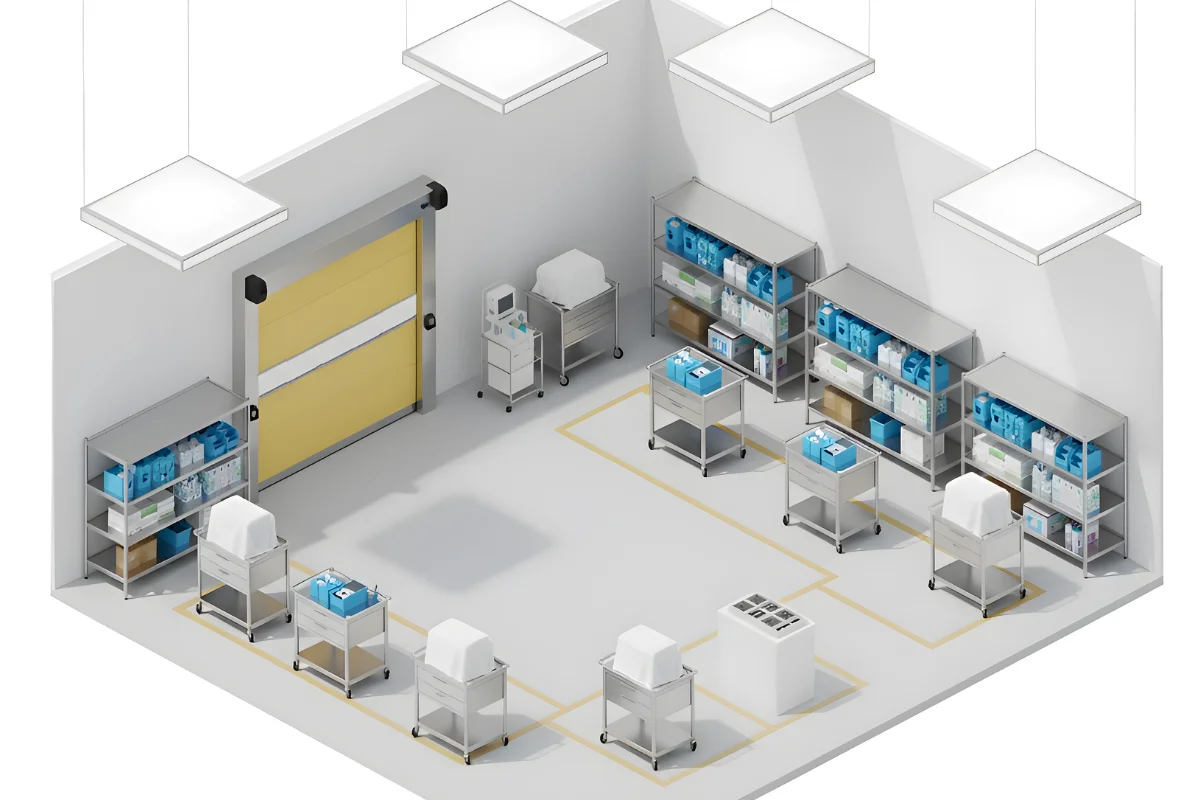
Photo Gallery