
Daily Workflow Challenges
Discover how vinyl roll-up doors are used to manage access, separation, and daily workflow in active manufacturing spaces.
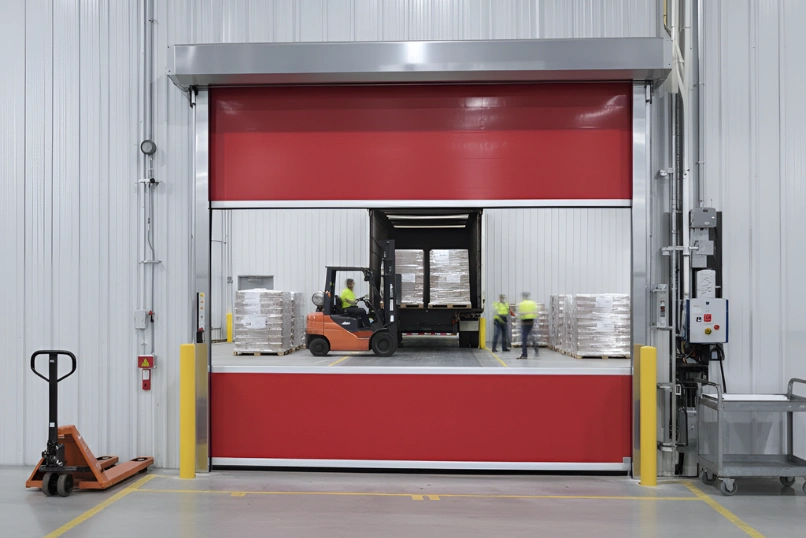
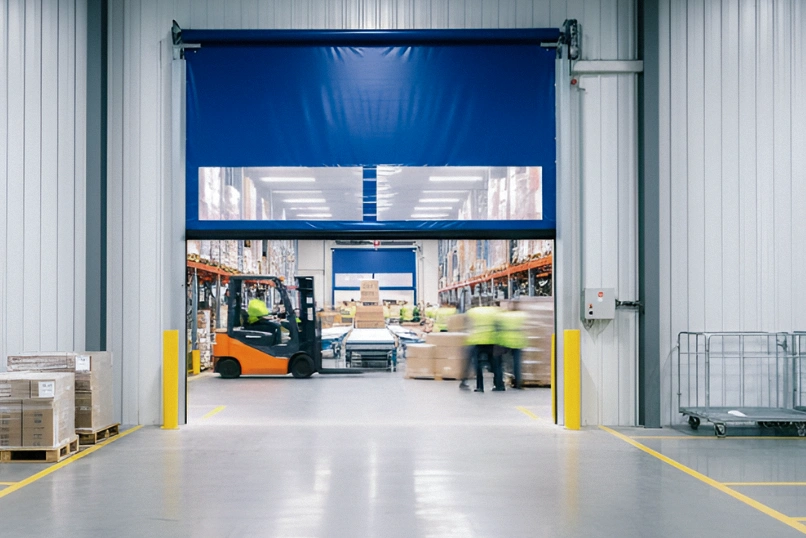
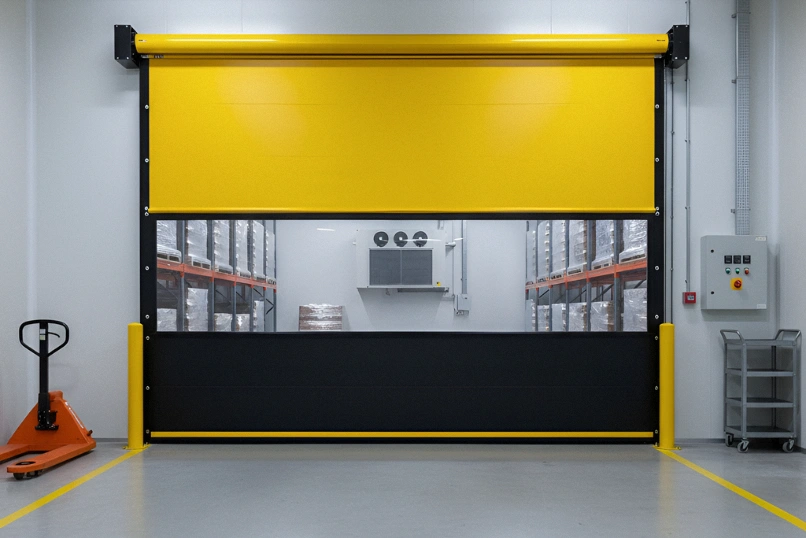
Manufacturing rooms operate around constant movement, tight schedules, and limited space. This article explores common workflow challenges, explains what vinyl roll-up doors are, and outlines how they are used in manufacturing environments. It also compares door options and answers common questions to help readers better understand their role in daily operations.
Best Vinyl Roll-Up Door Solution for Managing Daily Workflow
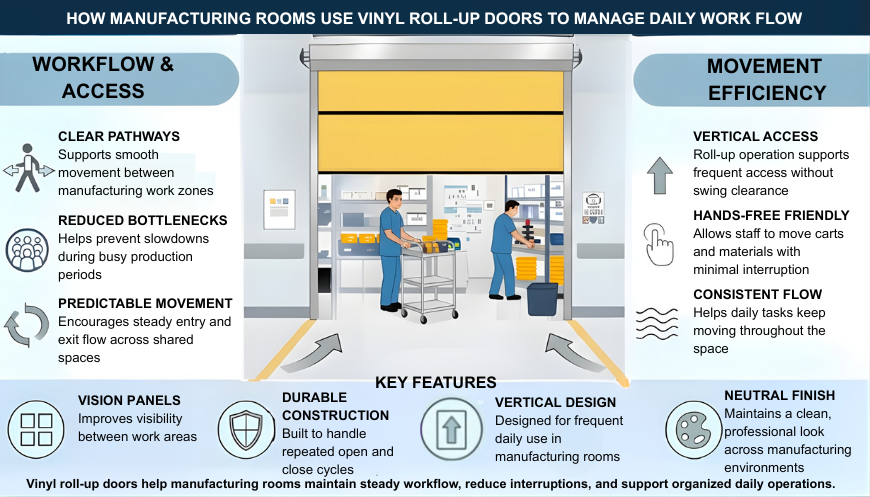
Manufacturing rooms rely on steady movement, clear access, and well-organized work areas to stay productive. Vinyl roll-up doors help support daily workflow by reducing delays, improving movement between zones, and creating flexible separation without taking up valuable space. Designed for regular use, these doors make it easier to manage access, control dust and noise, and keep daily operations running smoothly in busy manufacturing environments.
Common Workflow Challenges in Manufacturing Rooms
In manufacturing rooms, daily work often involves constant movement and shared spaces. When tasks depend on smooth transitions between areas, even small obstacles can disrupt the flow and slow progress over time.
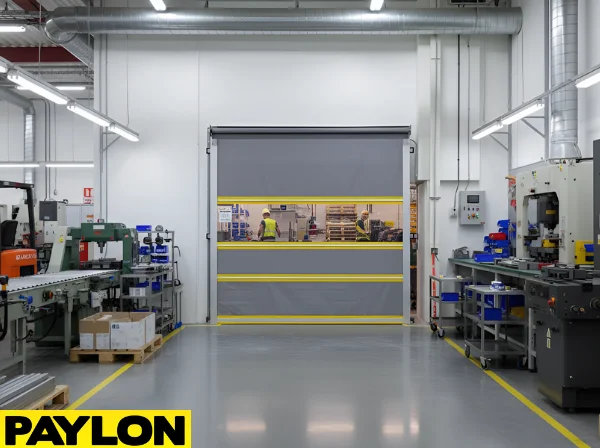
• Frequent movement between work areas. Workers regularly move materials and equipment between zones, which can interrupt tasks and reduce efficiency when paths are not well managed.
• Delays caused by traditional doors or temporary barriers. Doors that are heavy, slow, or awkward to use can create brief pauses that add up throughout a busy workday.
• Dust, noise, or temperature spreading between rooms. Open or poorly controlled access points allow environmental conditions to travel between spaces, affecting comfort and consistency.
• Limited floor space. In tight manufacturing rooms, swinging doors can take up valuable space and make movement more difficult in already crowded areas.
These challenges are common in many manufacturing environments and often go unnoticed until they begin to affect timing and organization. Recognizing where these slowdowns come from helps set the stage for understanding how access and separation choices impact daily workflow.
What Vinyl Roll-Up Doors Are and Why Manufacturing Rooms Use Them
Vinyl roll-up doors are flexible door systems designed to open vertically by rolling upward into a compact housing above the opening. Unlike swinging or sliding doors, they move straight up and down, which allows them to fit into spaces with limited clearance.
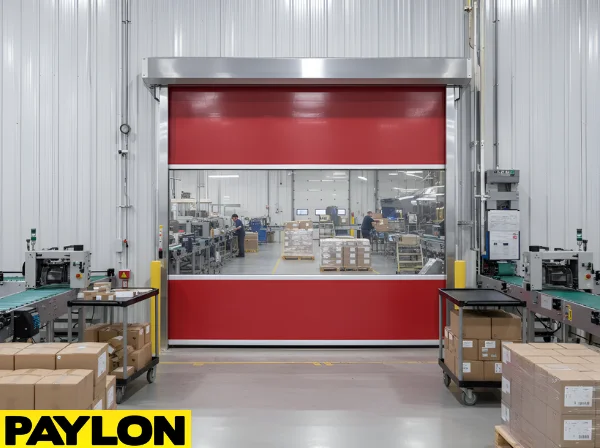
• Vertical roll-up design. The door curtain rolls upward instead of swinging outward, helping it fit into tight openings. This design is commonly used where space around doorways is limited.
• Durable vinyl construction. Vinyl roll-up doors are made from strong, flexible materials designed for industrial environments. The material allows the door to bend and roll repeatedly without rigid panels.
• Manual and motorized operation options. Manual vinyl roll-up doors are operated by hand and are typically used in lower-use areas. Motorized options use a powered system and are common where doors are opened and closed more often.
• Common use in industrial settings. These doors are widely used in manufacturing and production environments where access points are part of daily operations. Their straightforward design makes them easy to integrate into many types of facilities.
Understanding how vinyl roll-up doors are built and where they are commonly used helps set the foundation for looking at how they support daily work inside manufacturing rooms.
How Vinyl Roll-Up Doors Help Manage Daily Work Flow
Once installed in a manufacturing room, vinyl roll-up doors become part of the daily rhythm of work. Their design supports movement, separation, and access in ways that align with how teams operate throughout the day.
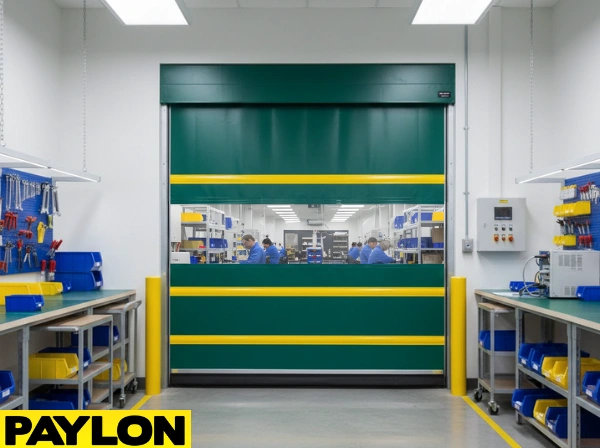
• Easier movement between work zones. Vinyl roll-up doors allow teams, carts, and equipment to pass between areas with less interruption. This helps daily tasks continue without unnecessary stops at access points.
• Fewer slowdowns during frequent open-close cycles. Because these doors are built for repeated use, they handle frequent opening and closing without becoming a bottleneck. This supports steady pacing in rooms where access is needed throughout the day.
• Better separation without building permanent walls. Vinyl roll-up doors create clear boundaries between work areas while still allowing flexibility. Rooms can be divided or opened up as needed without permanent construction.
• Improved control over dust, noise, and temperature. By closing off openings when needed, these doors help limit the spread of dust, sound, and temperature changes between spaces. This supports more consistent conditions across different work areas.
• More usable space compared to swinging doors. Since vinyl roll-up doors open vertically, they do not require floor space to operate. This leaves more room for equipment, materials, and movement in tight manufacturing environments.
Together, these outcomes show how vinyl roll-up doors fit into daily operations, helping manufacturing rooms stay organized and better prepared for constant activity.
Vinyl Roll-Up Doors vs Other Door Options in Manufacturing Rooms
After knowing how vinyl roll-up doors are used in daily manufacturing operations, it helps to compare them with other common door options found in similar environments. The table below highlights practical differences based on space, access, and how each option fits into everyday use.
| Door Type | Space Required | Speed of Access | Flexibility | Suitability for Frequent Use | Impact on Daily Workflow |
|---|---|---|---|---|---|
| Vinyl Roll-Up Doors | Minimal overhead clearance | Direct vertical access | Adjustable by area | Designed for repeated use | Supports consistent daily operation |
| Swinging Doors | Requires clear swing space | Slower in busy areas | Fixed opening path | Less suitable | Can interrupt movement paths |
| Fixed Walls or Curtains | Permanent or semi-permanent | No direct access | Very limited | Not intended for access | Limits layout changes |
This comparison helps manufacturing teams evaluate door options based on how much space they require, how often they are used, and how well they fit into daily operations.
Frequently Asked Questions
FAQs About Vinyl Roll-Up Doors in Manufacturing Rooms
Are vinyl roll-up doors durable enough for daily manufacturing use?
Vinyl roll-up doors are designed for industrial environments where doors are opened and closed regularly during daily operations.
Do vinyl roll-up doors help limit dust movement between manufacturing rooms?
Vinyl roll-up doors can help reduce dust transfer by closing off openings between work areas when separation is needed.
Can vinyl roll-up doors support temperature separation in manufacturing environments?
Vinyl roll-up doors help limit temperature transfer between rooms when the door is closed.
When should a manufacturing room use a motorized vinyl roll-up door?
Motorized vinyl roll-up doors are typically used in manufacturing rooms with frequent daily access.
When is a manual vinyl roll-up door a better option?
Manual vinyl roll-up doors are commonly used in lower-traffic manufacturing areas where access is less frequent.
How much space is required to install a vinyl roll-up door?
Vinyl roll-up doors require overhead clearance above the opening but do not need floor space to operate.
Do vinyl roll-up doors take up wall space when opened?
No. Vinyl roll-up doors roll upward into a compact housing above the opening.
Are vinyl roll-up doors suitable for tight manufacturing rooms?
Yes. Vinyl roll-up doors are often used in manufacturing rooms with limited space because they operate vertically.
Can vinyl roll-up doors be used to separate work zones?
Vinyl roll-up doors are commonly used to separate manufacturing areas while still allowing access when needed.
Can vinyl roll-up doors be customized for different opening sizes?
Vinyl roll-up doors are typically manufactured to fit specific opening dimensions.
Are vinyl roll-up doors only used in manufacturing rooms?
No. Vinyl roll-up doors are also used in other industrial and production environments.
Are vinyl roll-up doors easy to operate for daily staff use?
Vinyl roll-up doors are designed for straightforward operation in manufacturing environments.
Can vinyl roll-up doors handle frequent opening and closing?
Yes. Vinyl roll-up doors are built for repeated use in industrial settings.
Are vinyl roll-up doors flexible or rigid?
Vinyl roll-up doors are made from flexible vinyl material that rolls rather than swings.
Do vinyl roll-up doors replace permanent walls in manufacturing rooms?
Vinyl roll-up doors are often used when flexible separation is preferred over permanent construction.
Can vinyl roll-up doors help reduce noise between manufacturing areas?
Closing vinyl roll-up doors can help limit sound transfer between adjacent work areas.
Are vinyl roll-up doors suitable for shared traffic areas?
Vinyl roll-up doors are commonly used where people and equipment move between manufacturing spaces.
Can vinyl roll-up doors be installed in existing manufacturing openings?
Vinyl roll-up doors are often added to existing openings without major layout changes.
Are vinyl roll-up doors designed for long-term industrial use?
Vinyl roll-up doors are built for ongoing use in manufacturing and industrial environments.
Do vinyl roll-up doors require special training to operate?
Most vinyl roll-up doors can be operated with minimal instruction.
Building Smarter Manufacturing Spaces
Manufacturing rooms benefit from thoughtful planning around access, movement, and space usage, especially in environments where daily activity is constant. Vinyl roll-up doors are often considered in these settings because they fit naturally into how manufacturing spaces are organized and accessed. By reviewing layout constraints, traffic patterns, and how often openings are used, teams can make more informed decisions about door solutions. Taking time to explore available vinyl roll-up door options can help support long-term efficiency and adaptability in manufacturing environments.
Supporting Consistent Workflow
Photo Gallery